Table of Contents
If you are researching hair services around town, it helps to compare advice from a team that works with local humidity and styling habits every day. Many readers looking for a barber Singapore or barber Orchard option use guides like this to decide what to book next.
What Is Hair Rebonding?
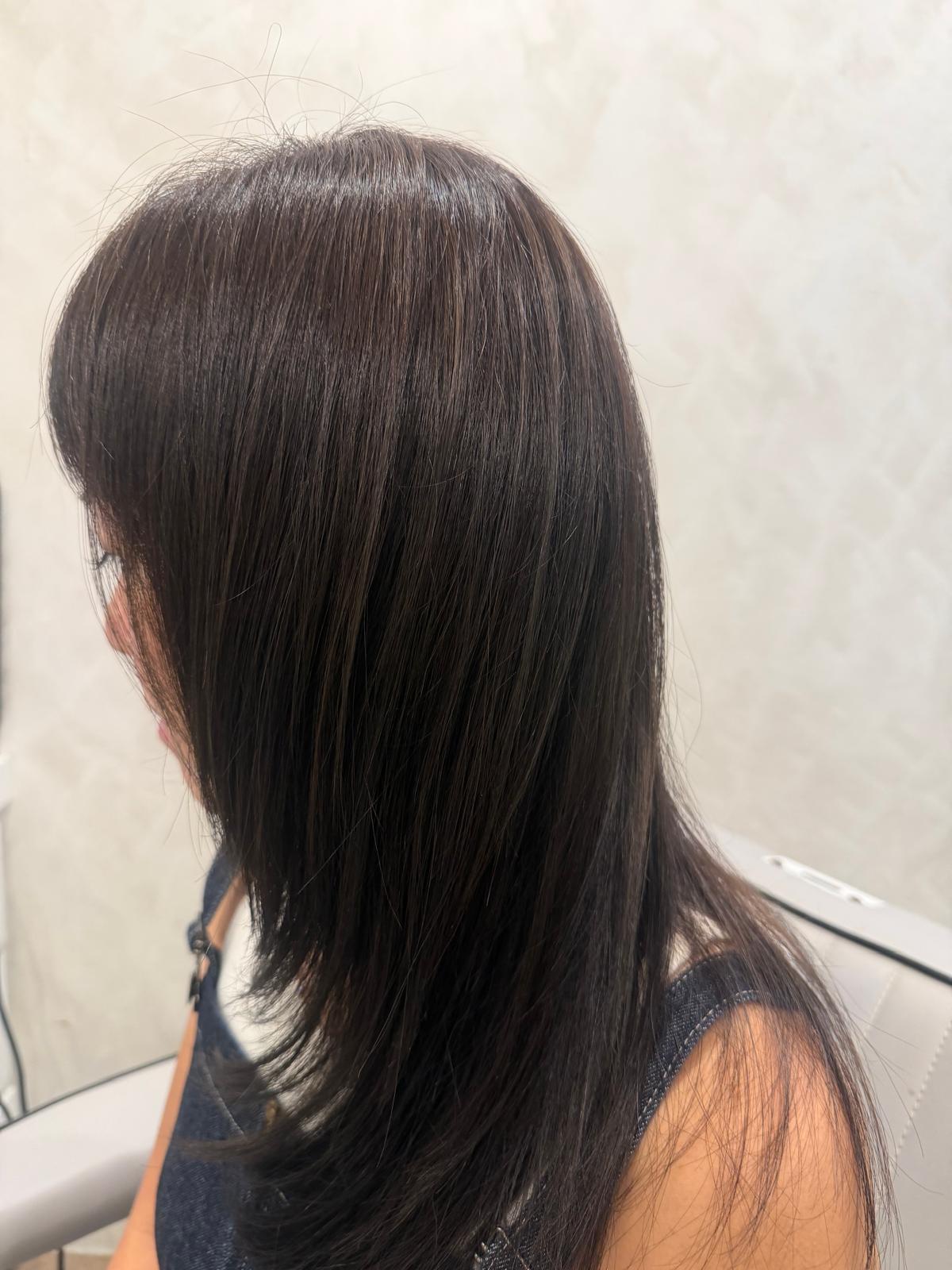
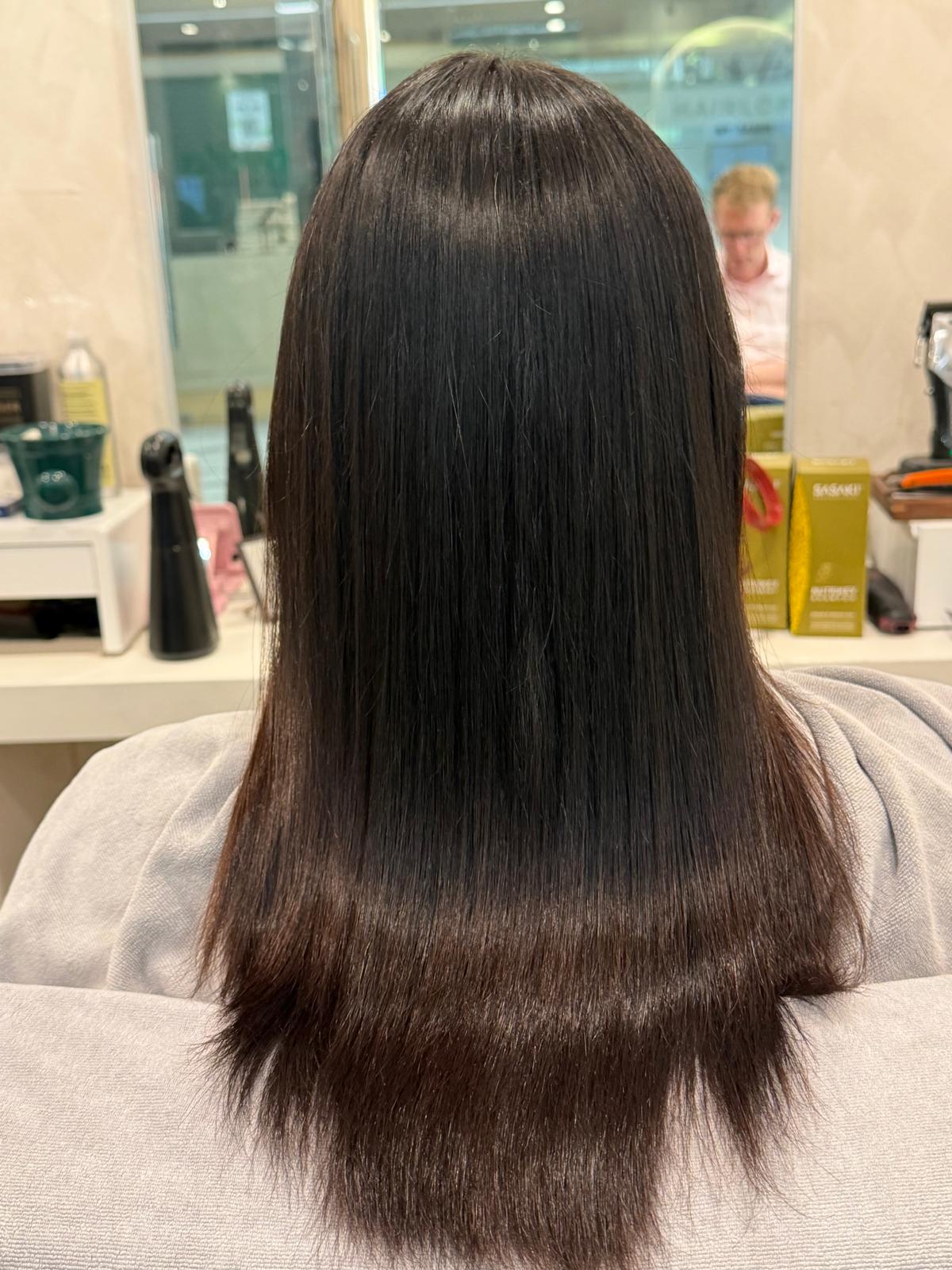
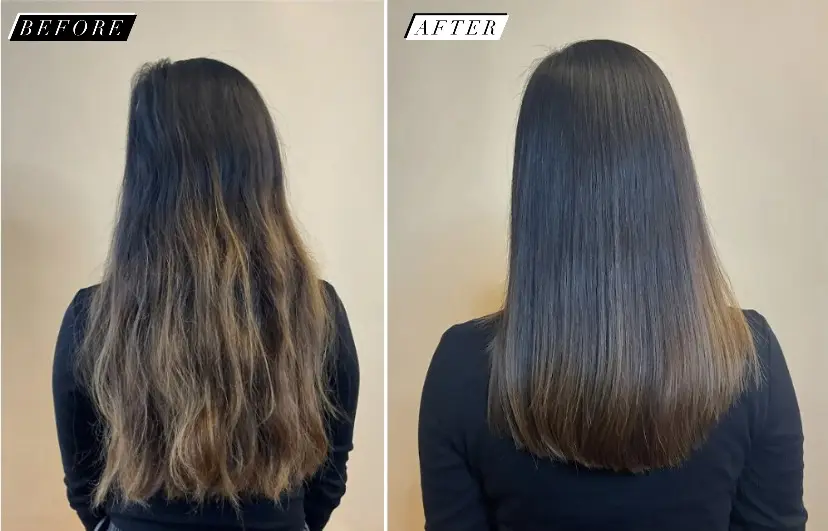
Hair rebonding is a permanent chemical straightening treatment that restructures the internal bonds of your hair to create a pin-straight finish. Unlike keratin treatments that coat the outside of the hair shaft, rebonding breaks and reforms the disulphide bonds within the hair cortex, permanently altering its natural texture. The result is sleek, poker-straight hair that remains straight until new hair grows from the roots.
This treatment has been enormously popular across Asia, and Singapore is one of the leading markets for professional rebonding services. For women with naturally curly, wavy, or frizzy hair, rebonding offers a permanent solution to daily straightening frustrations. The treatment eliminates the need for flat irons and blow-drying, saving significant time in daily styling routines.
At His and Her Hair Loft, our rebonding specialists use premium products and carefully monitor every step of the process to ensure your hair remains as healthy as possible while achieving beautifully straight results.
The Step-by-Step Rebonding Process
The rebonding process begins with a thorough consultation where your stylist assesses your hair’s condition, texture, and history of chemical treatments. This step is crucial because over-processed or severely damaged hair may not be suitable for rebonding. Once cleared, your hair is washed with a clarifying shampoo to remove any product buildup and open the cuticle layer.
Next, a cream softener or relaxant is applied to each section of hair. This chemical solution breaks the natural disulphide bonds that give your hair its original shape. The processing time varies from 30 minutes to over an hour, depending on your hair’s thickness and resistance. Your stylist will regularly check the hair’s elasticity during this stage to prevent over-processing.
After the softener is rinsed out, your stylist uses a flat iron to press each section of hair perfectly straight while it is in its malleable state. This is the most skill-intensive part of the process and directly determines the quality of the final result. Finally, a neutraliser is applied to reform the bonds in their new straight configuration, locking in the shape permanently. The entire process typically takes three to five hours.
Rebonding vs Keratin Treatment
The most common question clients ask is whether they should choose rebonding or a keratin treatment. The answer depends entirely on your desired outcome. Rebonding gives you permanently straight hair with zero wave or curl until new growth appears. Keratin treatments smooth and reduce frizz but maintain some natural texture and movement. If you want poker-straight hair, rebonding is the answer. If you want manageable, frizz-free hair with natural body, keratin is the better choice.
In terms of hair health, keratin treatments are generally less aggressive because they work on the outer cuticle rather than restructuring internal bonds. Rebonding involves stronger chemicals and higher heat, which means the potential for damage is greater, especially if done repeatedly or on already-compromised hair. However, with a skilled stylist and proper aftercare, rebonded hair can remain in excellent condition.
Maintenance also differs significantly. Rebonding results are permanent but require root touch-ups every six to twelve months as new natural-textured hair grows in. Keratin treatments gradually wash out over three to six months and need to be reapplied for continued smoothness. Your budget, lifestyle, and hair goals should guide your decision.
Essential Aftercare for Rebonded Hair
The first 72 hours after rebonding are critical for the final result. During this period, do not wash your hair, tie it up, pin it, or tuck it behind your ears. The newly reformed bonds need time to fully set, and any pressure or bending during this window can create permanent dents or kinks. Sleep with your hair spread out on a silk pillowcase to minimise friction and maintain the straight alignment.
After the initial setting period, use a gentle, sulphate-free shampoo and a deep-conditioning treatment at least once a week. Rebonded hair tends to lose moisture over time because the chemical process reduces the hair’s natural ability to retain hydration. Regular conditioning masks and leave-in serums will keep your hair soft, shiny, and healthy-looking.
Avoid excessive heat styling on rebonded hair, as the strands are already straight and additional heat can cause unnecessary dryness and breakage. If you must use a blow dryer, use it on the lowest heat setting. Also, minimise exposure to chlorinated water and saltwater, as both can cause the hair to become dry and brittle. When swimming, apply a leave-in conditioner or wear a swim cap to protect your hair.
Frequently Asked Questions
How long does hair rebonding last?
Rebonding permanently straightens the treated hair. However, new hair growth from the roots will have your natural texture. Most people get root touch-ups every six to twelve months, depending on how fast their hair grows and how noticeable the contrast between straight and natural hair becomes.
Can I colour my hair after rebonding?
It is recommended to wait at least two to three weeks after rebonding before colouring your hair. Both processes involve chemicals that stress the hair, so giving your strands time to recover between treatments is essential for maintaining hair health.
Is rebonding suitable for all hair types?
Rebonding works on most hair types, including curly, wavy, and coarse hair. However, it is not recommended for extremely damaged, bleached, or over-processed hair, as the chemicals involved can cause further breakage. A professional assessment is always necessary before proceeding.
How much does rebonding cost in Singapore?
Rebonding prices in Singapore typically range from $150 to $500, depending on hair length, thickness, and the products used. Longer or thicker hair requires more product and time, which increases the cost. Premium salons with experienced specialists may charge at the higher end of this range.
Does rebonding cause hair loss?
Rebonding does not directly cause hair loss. However, if the chemicals are left on too long, applied incorrectly, or used on already-damaged hair, the resulting breakage can look like hair loss. This is why choosing an experienced, reputable salon is so important.
At His & Her Hairloft (Orchard): our keratin, rebonding & hair smoothing page sets out how we assess hair before rebonding, or contact us to book.