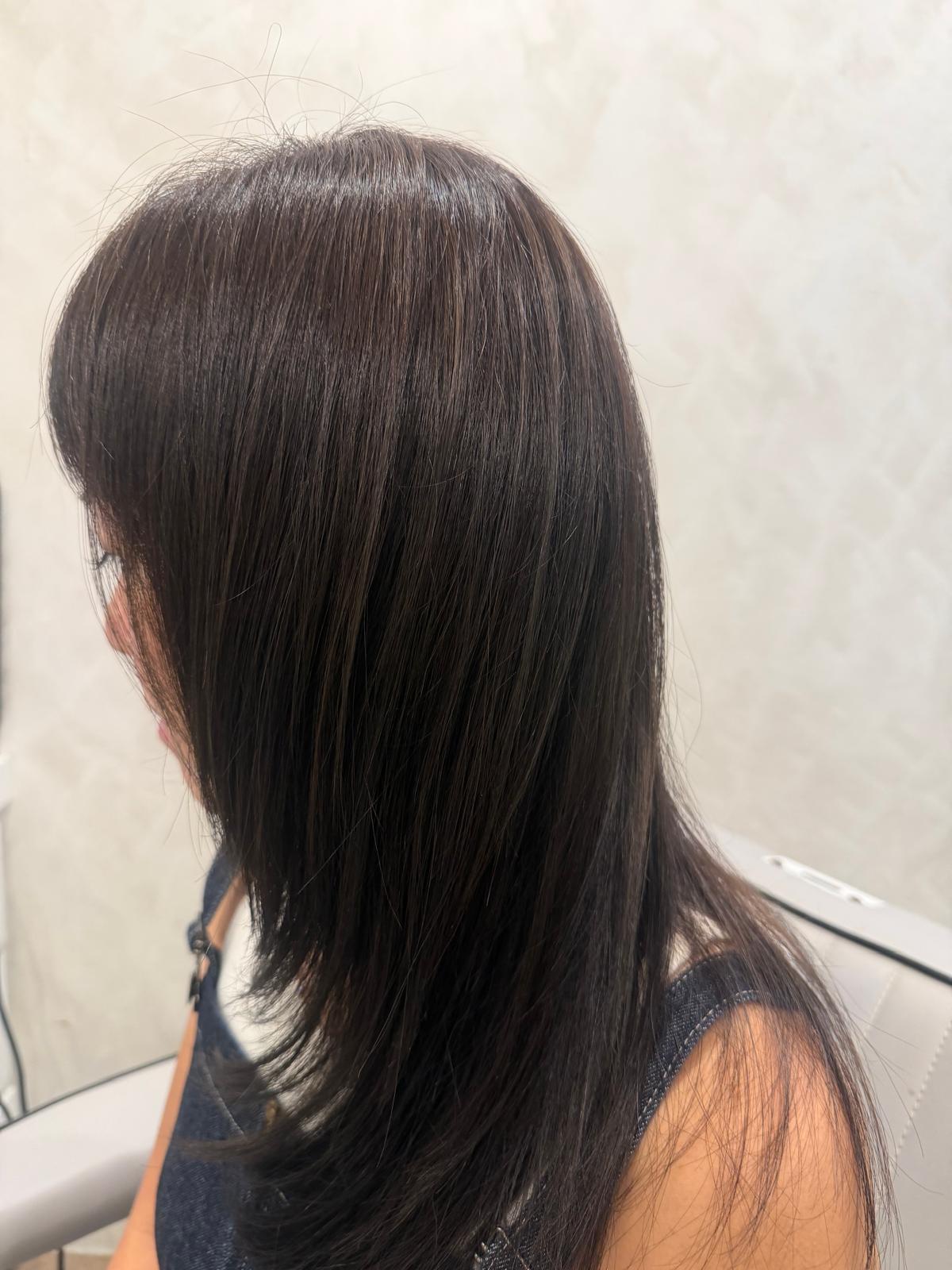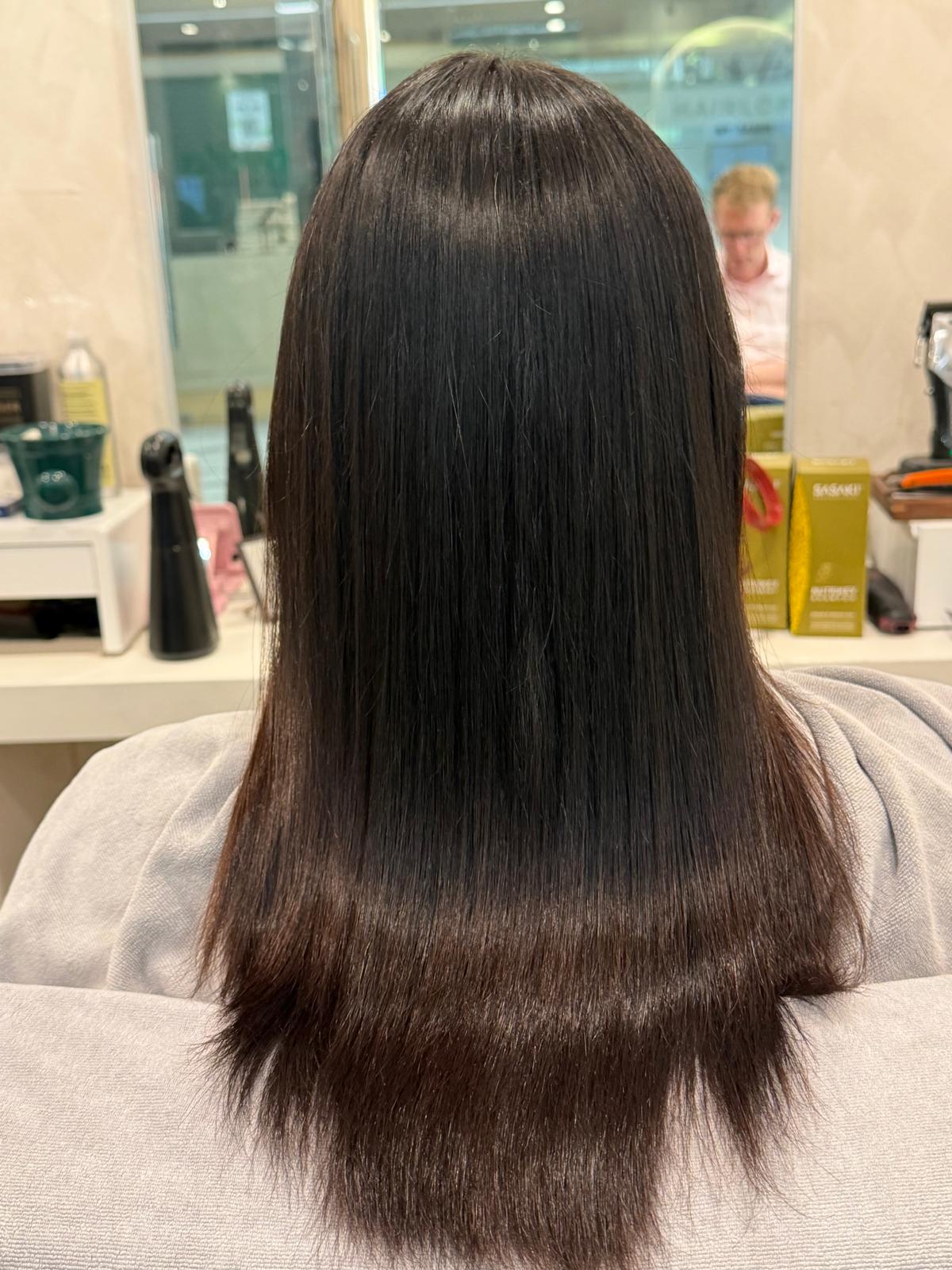
If your hair falls flat by lunchtime or a ponytail feels disappointingly slim, you are far from alone. The right hairstyles for fine thin hair can make a real difference, but the most flattering results come from understanding what you are actually working with and choosing a cut that works with it rather than against it.
First, a quick but important distinction. Fine and thin are not the same thing, even though people use them interchangeably. Fine describes the diameter of each individual strand, meaning the strand itself is slender. Thin describes density, meaning how many strands you have on your head. Plenty of people have one or the other, and some have both. Knowing which applies to you helps your stylist make the right call. This guide covers the cuts, styling and colour tricks that genuinely add the look of volume.
Table of Contents
Fine vs Thin: Why the Difference Matters
It is worth a moment to get this right, because it shapes every decision that follows. Fine hair is about strand thickness. Each hair is delicate and slim, which means it carries weight poorly and can look limp even when you have plenty of it. Thin hair is about density. You may have perfectly normal strand thickness, but fewer hairs overall, so the scalp shows more easily and styles look sparse.
Many people have both, which is the trickiest combination and the most common reason hair looks flat. The reason this distinction matters is that the solutions overlap but are not identical. Fine hair benefits hugely from cuts and products that build body and stop weight dragging it down. Genuinely thin or thinning hair sometimes needs more than a haircut, because reduced density can be linked to hair loss rather than natural texture.
An honest stylist will look at your scalp, your hairline and how your hair behaves before recommending anything. If density has changed noticeably over time, that is a signal worth investigating, and we will come back to it later in this guide.
Hairstyles for Fine Thin Hair: Cuts That Add Fullness
The cut is the single biggest lever for fine, thin hair, because the right shape builds the illusion of density before you pick up a single styling product. The principle is simple: keep weight where it helps and remove it where it drags.
These approaches tend to work well:
- Blunt or solid ends. A clean, blunt perimeter makes the hair look denser, because all the strands end at the same line rather than tapering to wispy points. Heavily thinned, feathered ends do the opposite and emphasise sparseness.
- Shorter lengths like a bob or lob. A chin-length bob or a slightly longer lob lifts weight off the hair, so it does not pull flat under its own length. Shorter styles almost always look fuller on fine hair.
- Soft, strategic layers. A few well-placed layers add movement and lift at the crown. The key word is strategic, meaning a light touch from an experienced hand.
Just as important is what to avoid. Heavy over-layering shreds the hair into thin, see-through sections and kills the appearance of density. Very long lengths are also rarely a fine-hair friend, because the weight drags everything downward and flat. If you want to explore this in more depth, our stylists have detailed the best haircuts for thinning hair, and there are plenty of flattering hairstyles for women that suit finer hair beautifully.
Styling Techniques and Products for Real Lift
A great cut gets you most of the way, and styling does the rest. The honest caveat is that the most flattering hairstyles for fine thin hair do ask for a little daily effort to look their fullest. The encouraging news is that the techniques are quick once they become habit.
The biggest gains come from the roots, because volume that lasts starts there:
- Lift at the root. Rough-dry the roots first, flipping your head or directing hair against its natural fall. A light root-lifting spray or mousse applied to damp hair helps hold that lift.
- Smart blow-dry technique. A round brush lifting at the crown, then a quick blast of cool air to set the shape, gives noticeably more body than simply drying hair flat.
- Volumising and texturising products, used lightly. Mousse, dry texturising spray and lightweight powders add grip and body. The rule is restraint, because too much product weighs fine hair straight back down. Keep it off the roots if it is heavy.
For longer-lasting lift with less daily styling, a soft body-wave perm is worth considering. Done gently, it adds gentle movement and built-in volume that survives Singapore’s humidity, so your hair holds shape between washes with far less work. A stylist can advise whether your hair is suited to it.
Colour Tricks That Add Visual Density
Colour is the quietly powerful tool most people overlook when thinking about hairstyles for fine thin hair. Used cleverly, it tricks the eye into seeing more hair, with no change to your actual density at all. It works through depth and contrast.
Flat, single-block colour, especially a very solid dark shade, can make thin hair look even flatter, because it shows every gap where the scalp peeks through. Dimensional colour does the opposite. By weaving together slightly lighter and darker tones, it creates shadow and shine that read as texture and thickness. The eye interprets that variation as more hair.
A few subtle, lighter pieces placed around the face also lift the whole look and add the impression of density where it frames you most. The watchword is subtle, because heavy all-over bleaching can leave fine hair fragile and prone to breakage, which works against you. A skilled colourist will keep the technique gentle and place it precisely. Think soft, blended dimension rather than dramatic high contrast, and always pair lightening services with good conditioning care.
When Thinness Is About Your Scalp, Not Your Style
Here is the honest part that styling cannot solve. If your hair has always been fine or low in density, the cut, styling and colour ideas above are exactly what you need. But if your hair has become noticeably thinner over recent months, with more shedding, a widening parting or visible scalp where there used to be none, that is a different situation, and it deserves attention beyond a haircut.
Reduced density can be linked to hair loss or thinning rather than natural texture, and the causes range from stress and hormones to nutrition, scalp health and our climate. The foundation in these cases is the scalp itself, because healthy follicles grow healthier, fuller hair. Gentle cleansing, keeping build-up under control, and professional scalp treatments all support that. Our guide to a scalp-first secret for thinning hair explains how to tell what is going on and where to start.
The most reassuring step is simply talking it through with a stylist in person. We can look at your hair, tell you honestly whether you are dealing with natural fineness or genuine thinning, and recommend a cut, styling routine and scalp care plan that fits your life and your hair. You are warmly welcome to book a consultation or visit our hair salon in Singapore, where we will give you practical advice with no pressure to commit on the day.
Frequently Asked Questions
What is the difference between fine hair and thin hair?
Fine refers to the diameter of each individual strand, meaning the strand itself is slender. Thin refers to density, meaning how many strands you have overall. Many people have one or both, and knowing which helps your stylist choose the right approach.
What is the best haircut for fine, thin hair?
Cuts with blunt, solid ends and shorter lengths like a bob or lob tend to look fullest, because they keep weight off the hair and make strands appear denser. Soft, strategic layers can add lift, but heavy over-layering should be avoided.
Should I avoid long hair if mine is fine and thin?
Very long lengths usually work against fine, thin hair, because the weight drags it flat and the ends look wispy. Shorter to mid-length styles generally look fuller, though a skilled stylist can advise based on your hair and face.
Can colour really make thin hair look thicker?
Yes, used cleverly. Dimensional colour with blended lighter and darker tones creates shadow and shine that the eye reads as texture and thickness. Subtle lighter pieces around the face add visual density, while flat single-block colour can do the opposite.
Does fine, thin hair need a lot of daily styling?
It does ask for a little effort to look its fullest, mainly root lifting and a smart blow-dry. The techniques are quick once they become habit, and a soft body-wave perm can reduce daily styling by adding lasting lift.
How do I know if my hair is naturally fine or actually thinning?
If your hair has always behaved this way, it is likely naturally fine. If you have noticed more shedding, a widening parting or visible scalp recently, that suggests thinning and is worth a professional assessment, as the scalp may need attention.