Crown and Cowlick Hair: What to Show Your Barber Before the Cut
A crown that sticks up can be hard to explain once your hair has been washed and combed flat. A front section may also lift or split differently from the rest of your fringe. These patterns are worth showing before the cut begins. A useful consultation starts with how your hair behaves on an ordinary day, then considers a shape and routine that can work with it.
Show the problem in its usual state
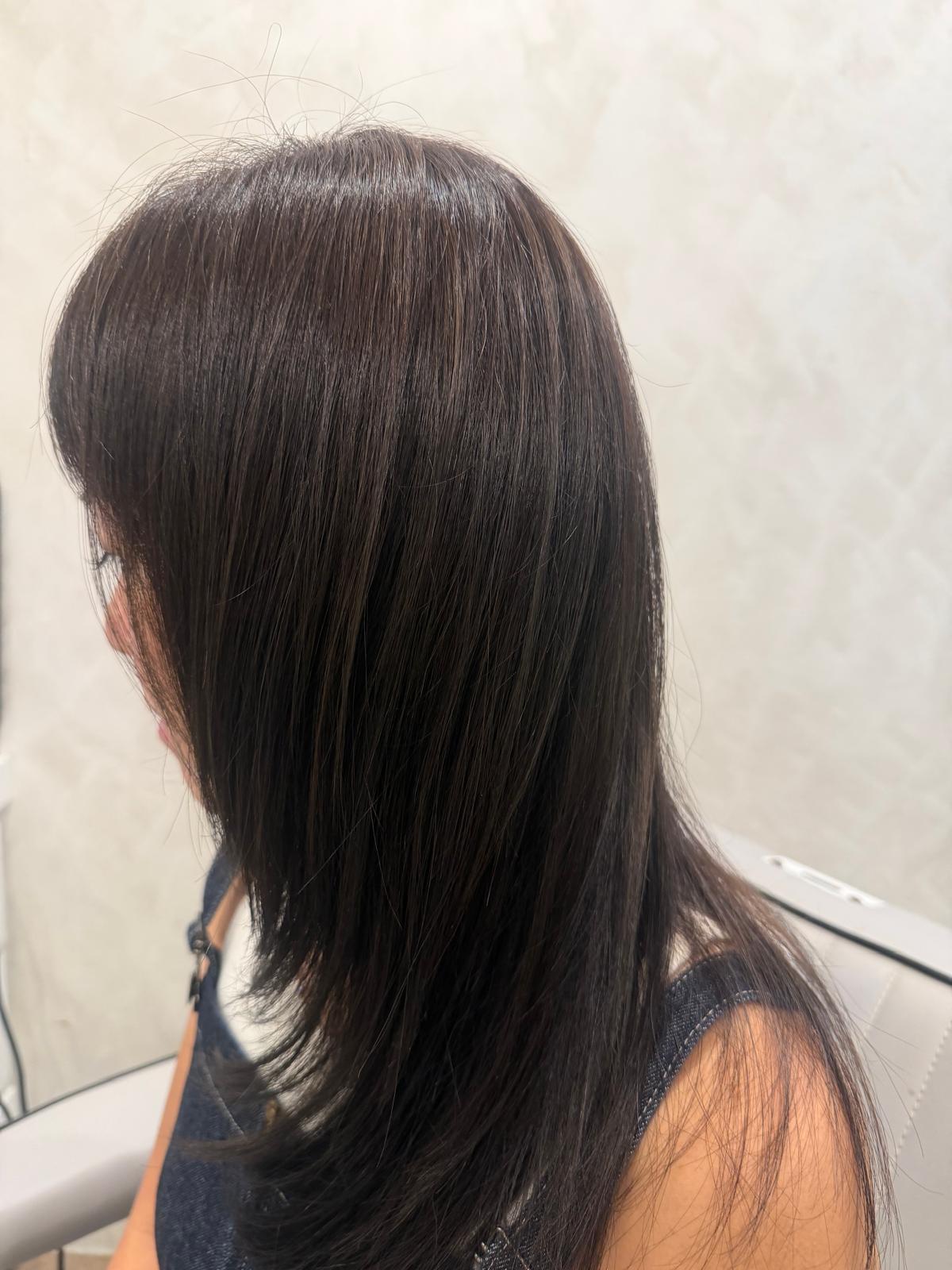
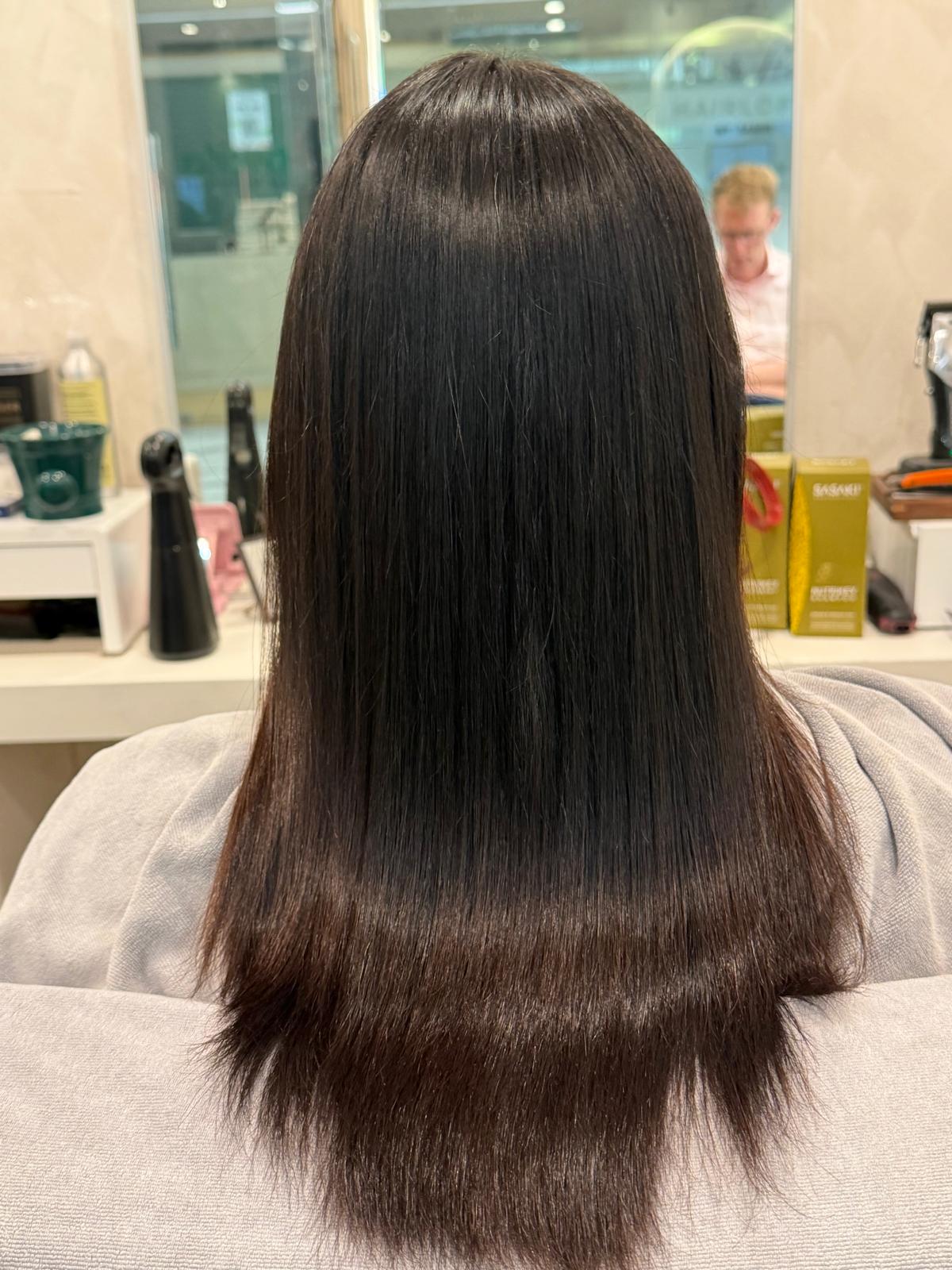
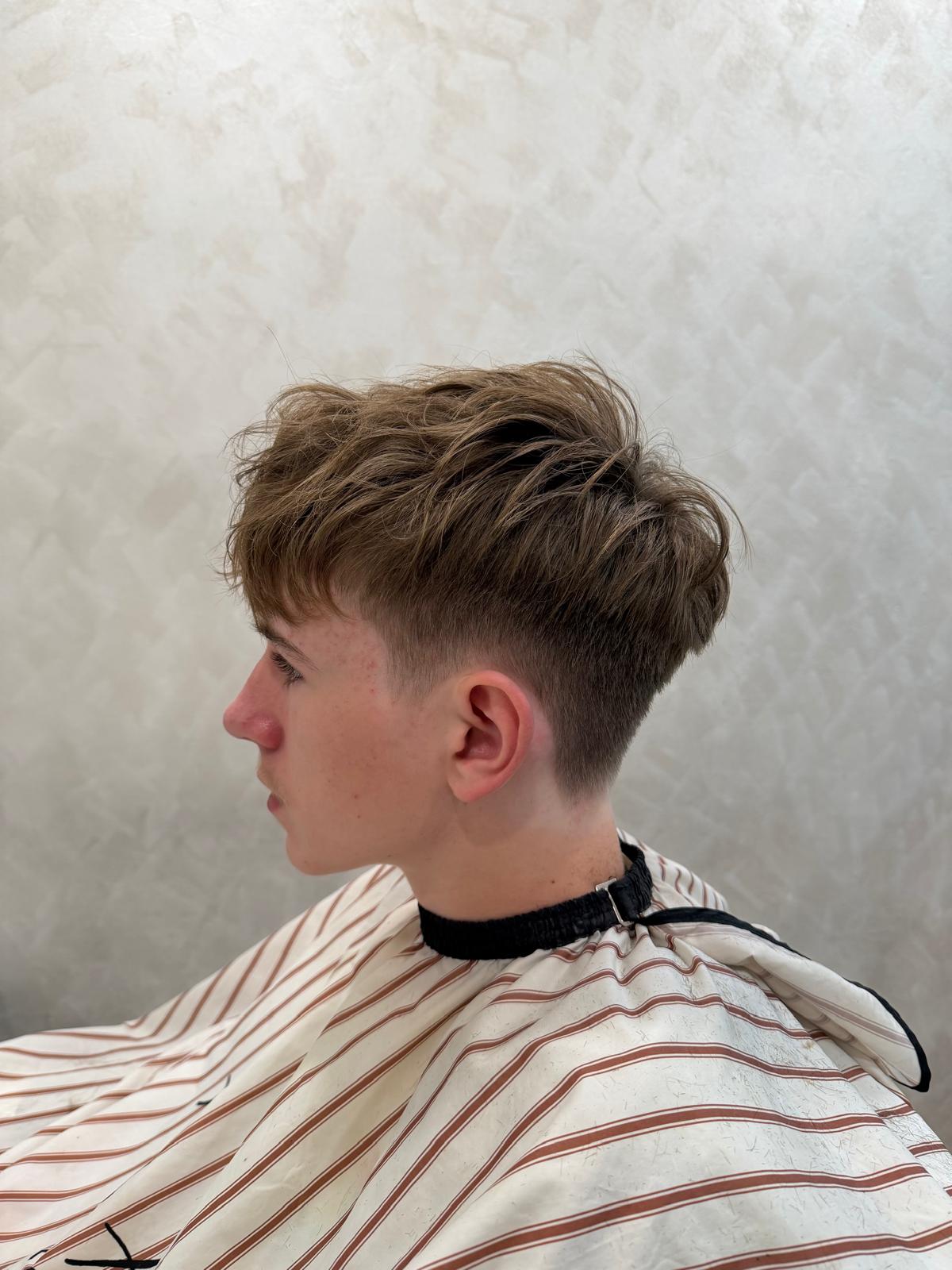
Take two or three photos when the section is behaving as it normally does: one directly behind the crown, one from the side and one showing the whole haircut. Avoid pressing it down just before taking the photo. Explain whether you have worn a cap, slept on damp hair or used styling product, because those details help distinguish a temporary bend from your usual growth direction.
If you arrive with heavily styled hair, show the photos before washing. You do not need to diagnose the pattern or use technical language. “This area stands up after air-drying, even when the front is fine” is more informative than “my hair is impossible.” Hairloft’s barber services include men’s cuts and styling, making the consultation a useful place to discuss this practical concern.
Discuss the trade-off between length and control
There is no single correct length for every crown. Depending on the pattern, a barber may discuss retaining enough length for the section to lie in the intended direction, or choosing a deliberately short shape that does not depend on it lying flat. The awkward result can be a halfway length that lifts while the rest of the cut looks smooth.
Ask how the proposed length will behave without a full styling session. If your reference photo has a very flat crown, check whether that finish would require a dryer every morning. You can then decide whether to change the target or accept the extra step. Avoid asking for aggressive thinning simply because the area looks bulky; first establish how that would affect the finished shape.
Keep the front and crown conversations separate
A cowlick at the front can influence which way a fringe parts or lifts. A crown pattern affects the back or top view. They need not be solved with the same technique or product. Point out both areas if they bother you, and ask the barber to check the profile as well as the mirror-facing view.
For example, you might like height at the front but want a calmer crown. Say exactly that. Asking to “flatten everything” could lose a feature you enjoy. Equally, a textured finish may be acceptable at the back even if you prefer a tidy side part at the front.
Try a small, repeatable drying routine
- Start with the affected roots slightly damp, rather than only wetting the ends.
- Guide the hair in the direction demonstrated during the appointment.
- Keep the dryer moving and use a comfortable heat setting.
- Let the section settle before judging whether it needs product.
- Apply only a little product initially, then check the back with a second mirror.
The goal is a routine you can repeat comfortably, not a guarantee that the hair will stay perfectly flat through every activity. Ask to practise the hand or brush direction before you leave. Seeing the movement once is often more useful than remembering a long list of products.
Leave with one clear experiment
Change one variable at a time at home: drying direction, retained length at the next visit, or product quantity. If you change everything at once, it is difficult to know what helped. Note when the section lifts and whether restyling restores it. For your next appointment, send Hairloft your current photos and mention the crown or front growth pattern when booking.