Layers Without Losing Your Ponytail: What to Discuss Before a Cut
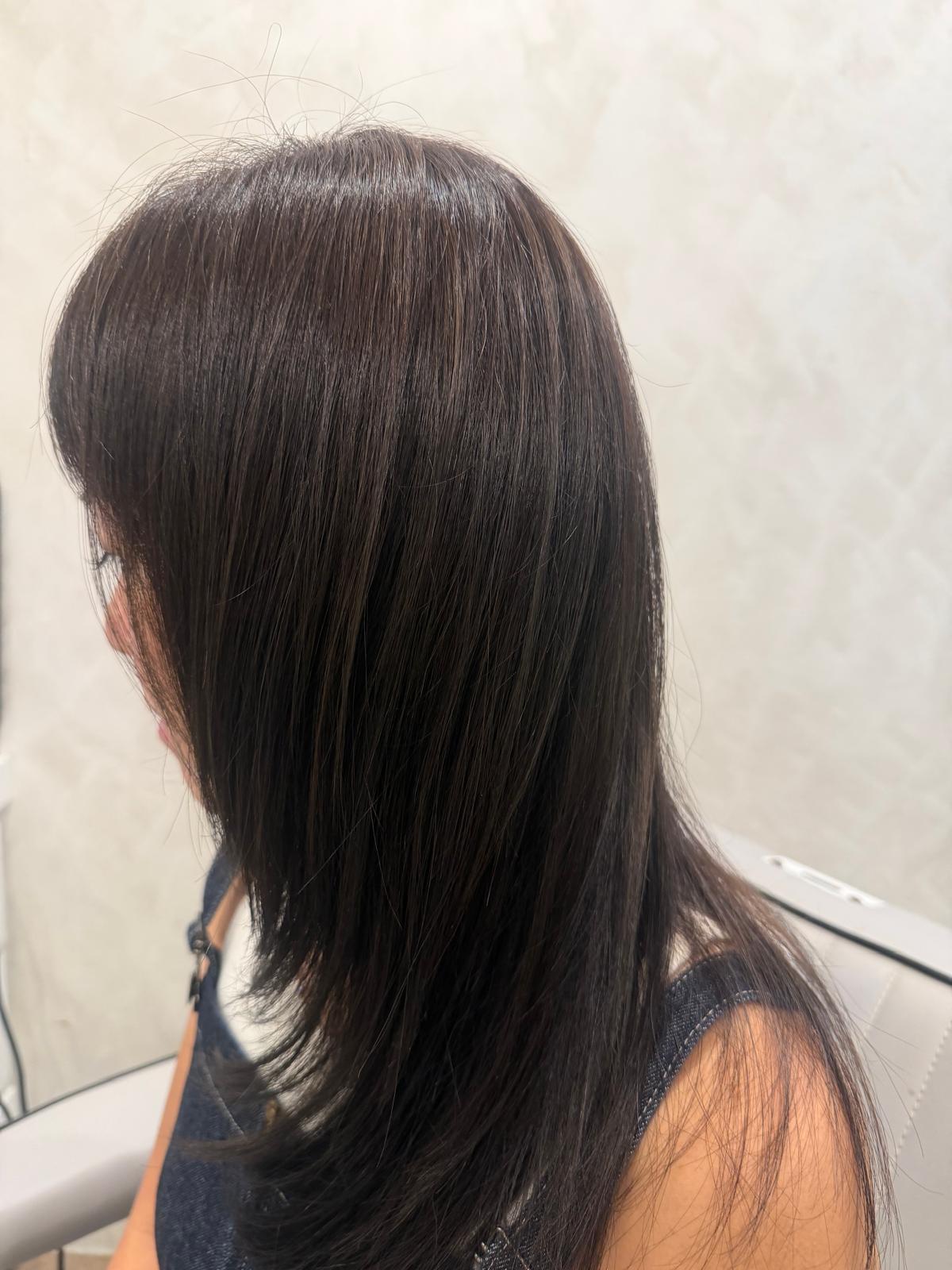
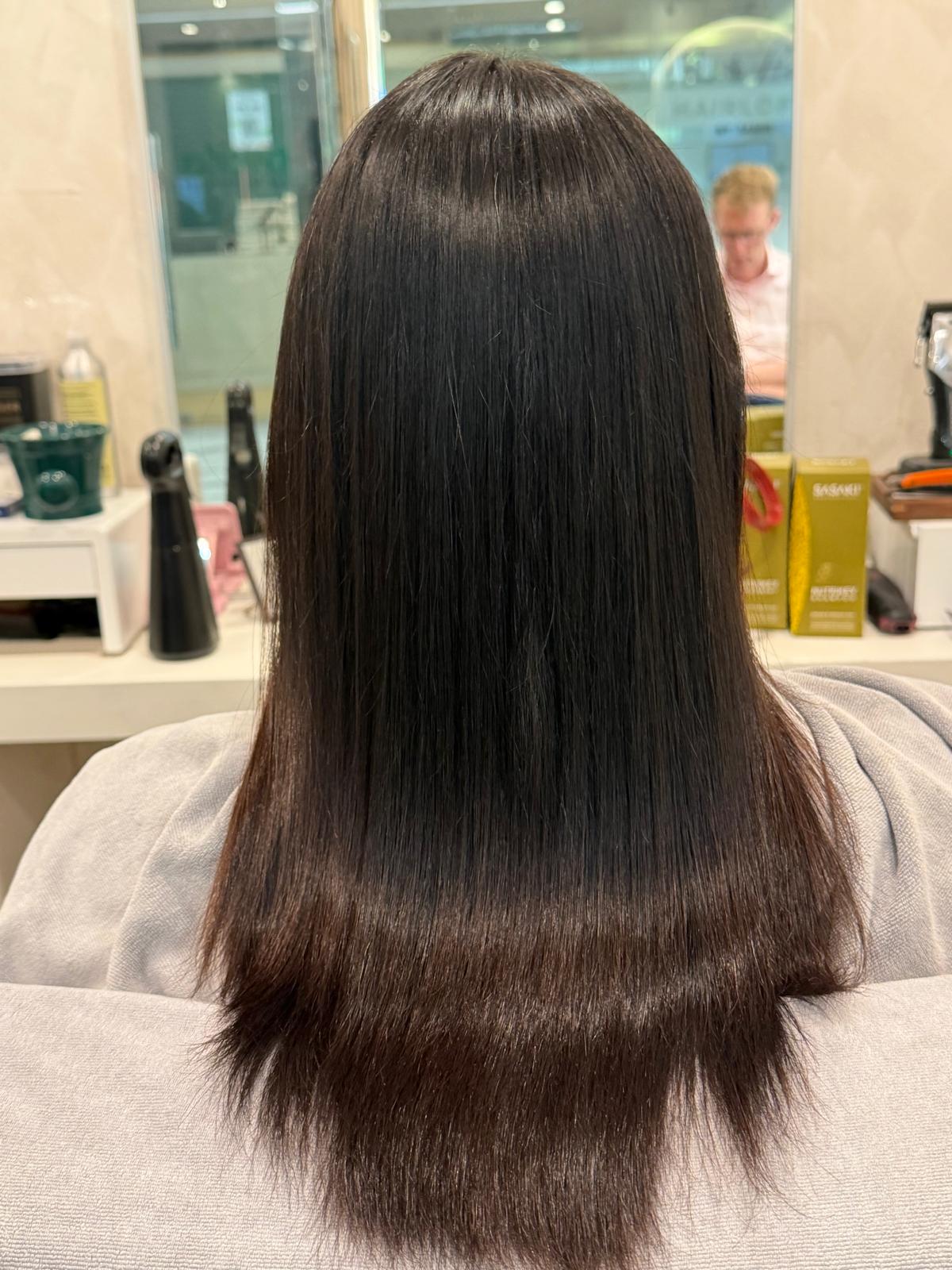
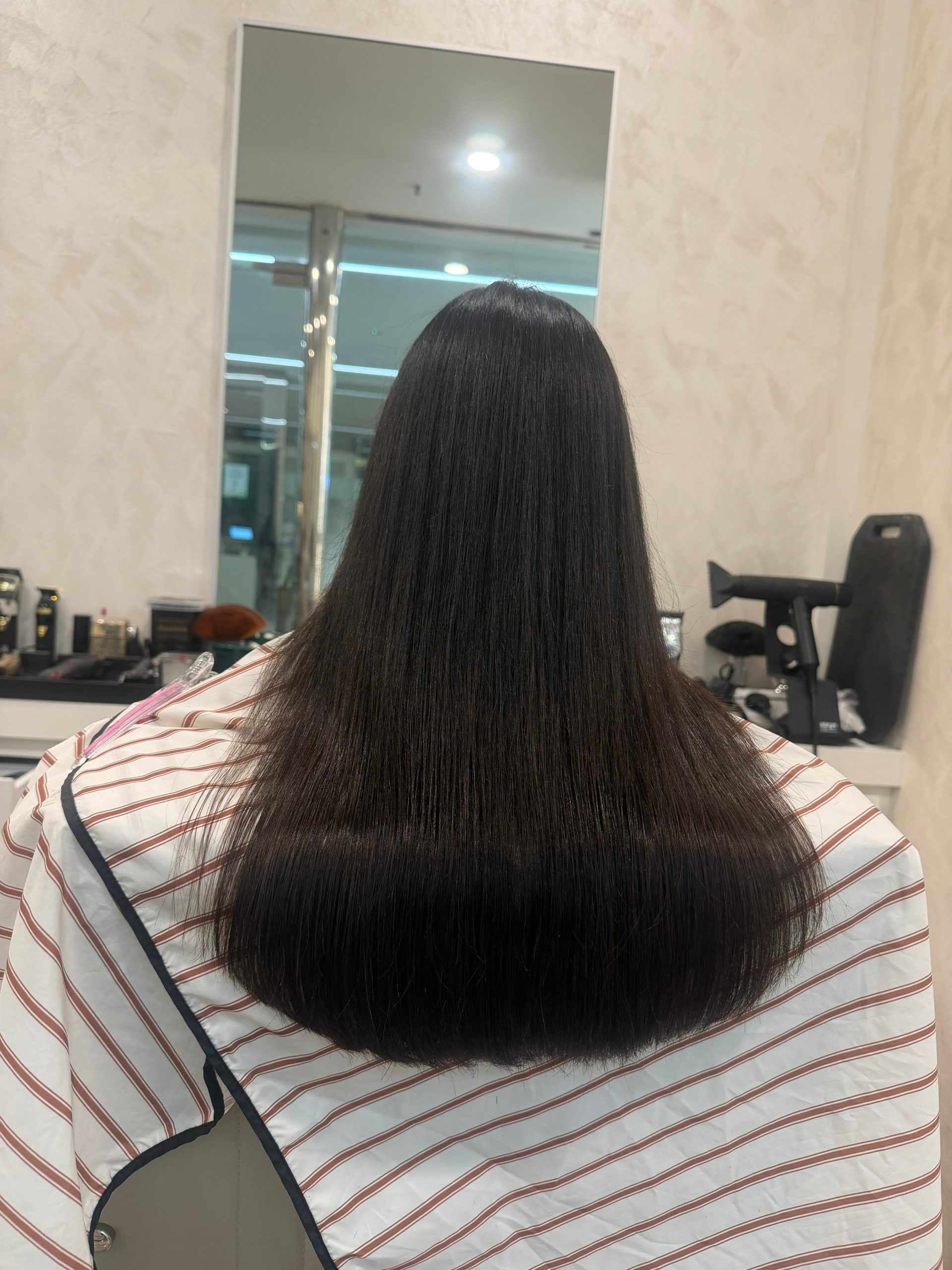
A layered haircut can look lovely worn loose, yet feel quite different when gathered into a ponytail. If tying your hair up is part of most days, make that a central part of the consultation. The decision is about where shorter pieces begin, how much hair remains at the longest length, and what you expect your tied style to do.
Start with a simple brief: “I want some movement when my hair is down, and I need the sides to stay in my usual ponytail.” That gives the stylist a practical design problem to work through.
Show the ponytail you actually wear
A low ponytail at the nape and a high ponytail near the crown ask different things of the same haircut. Bring your usual tie and demonstrate the position. If you wear both, explain which matters most. Also show whether you pull every piece back or deliberately leave a few strands around the face.
Check the front, sides and underneath separately. A long back section does not automatically mean shorter pieces beside the cheeks will reach the tie. Let the stylist assess that reach before agreeing to face framing or a shorter layer.
Separate three decisions that often get bundled together
- Overall length: where the longest ends will finish when your hair is dry.
- Layer length: where the shortest and intermediate sections will fall.
- End fullness: whether you want a substantial outline or a lighter, more tapered finish.
“Keep it long” answers only the first question. You can retain overall length while changing how much hair reaches the bottom. Ask to see the proposed outline with your hair down and then gathered. This helps make the trade-off visible before any cutting starts.
Use your routine to choose the compromise
Imagine two different briefs. One person wears a low ponytail throughout the working week and enjoys a loose blow-dry at weekends. Another wants pronounced face framing every day and is comfortable clipping shorter pieces during exercise. Neither brief is wrong, but the same layering plan may not suit both.
If ponytail fullness is your priority, ask whether a more restrained change around the perimeter or face would meet your goal. If visible movement matters more, discuss which pieces may fall out of the tie. Avoid asking for “lots of layers” and “exactly the same ponytail” without exploring whether those expectations work together on your hair.
Check the reference photo before copying it
A photo of loose, styled hair cannot show how that haircut behaves tied up. Look for a back view, visible ends and a second image with the hair gathered. If none exists, treat ponytail suitability as an open question.
Point out the feature you like: the swing through the lower lengths, the cheek-level pieces, or the rounded silhouette. You might want only one of those features. A clear preference leaves room to adapt the cut to your own density and routine instead of trying to reproduce every detail.
Your chair-side checklist
- Demonstrate your usual ponytail height before the cut.
- Agree where the shortest front pieces may finish.
- Show how full you want the loose ends to look.
- Say whether pins or clips are acceptable on tied-hair days.
- At the finish, test the ponytail yourself and ask how to manage any loose sections.
That final check is particularly useful if you usually tie your hair without a mirror. A style that requires careful arranging may be fine for an occasion but inconvenient for your normal morning.
Explore Hairloft’s cuts and styling services, then bring your ponytail priorities and reference images to the appointment. Contact the Orchard salon to arrange a visit.