Choosing a Haircut You Will Usually Air-Dry
If you normally let your hair dry without styling tools, that habit belongs near the start of your haircut consultation. A cut shown in a smooth blow-dry or carefully curled photograph may still be useful inspiration, but you need to separate its basic shape from its styled finish.
The aim is to choose a shape you like in your ordinary routine. It is reasonable to ask how a proposed fringe, layer or shorter length might sit when you do less styling. It is less useful to ask any haircut to reproduce a photographed finish in every condition.
Bring evidence of an ordinary hair day
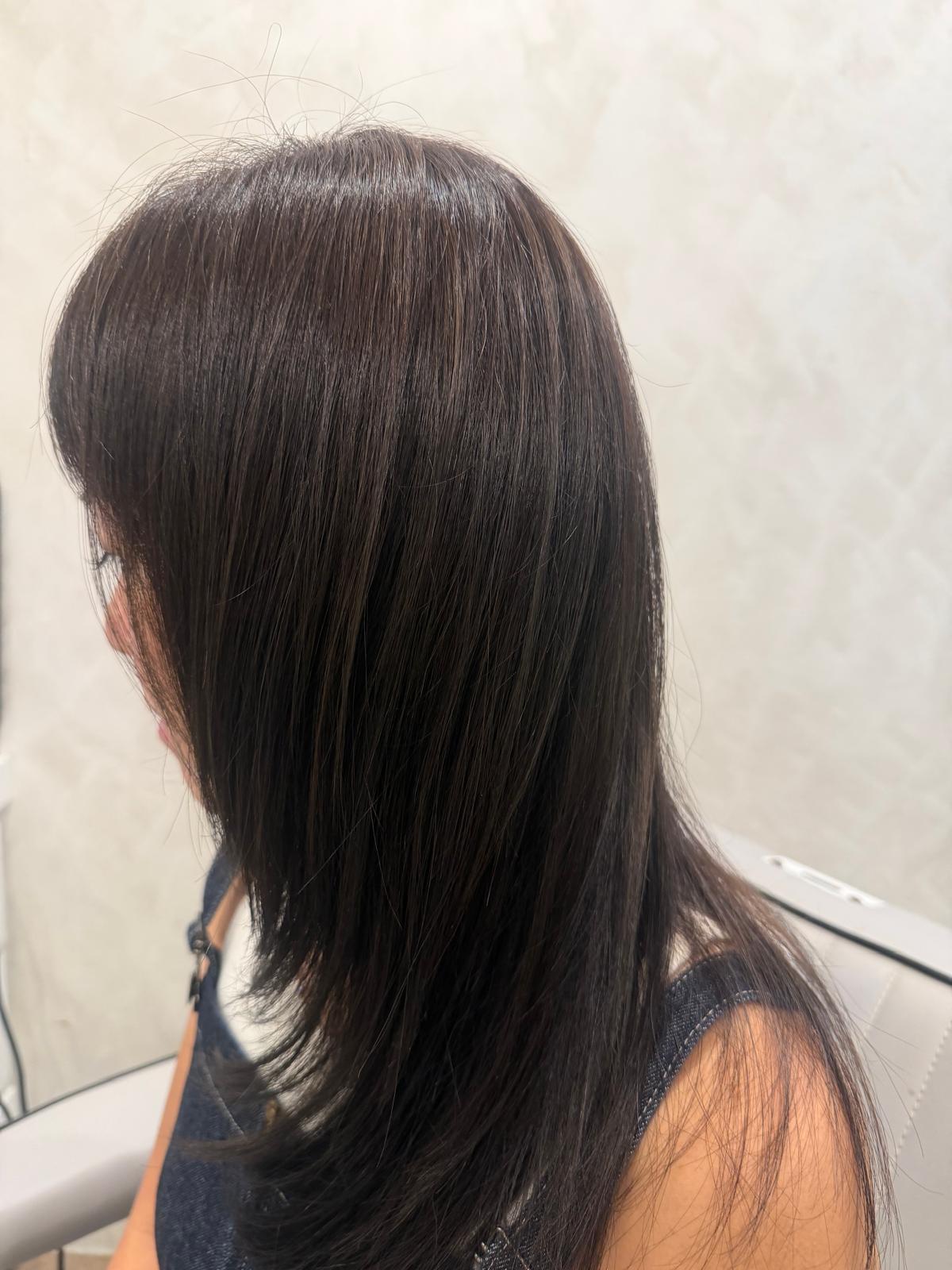
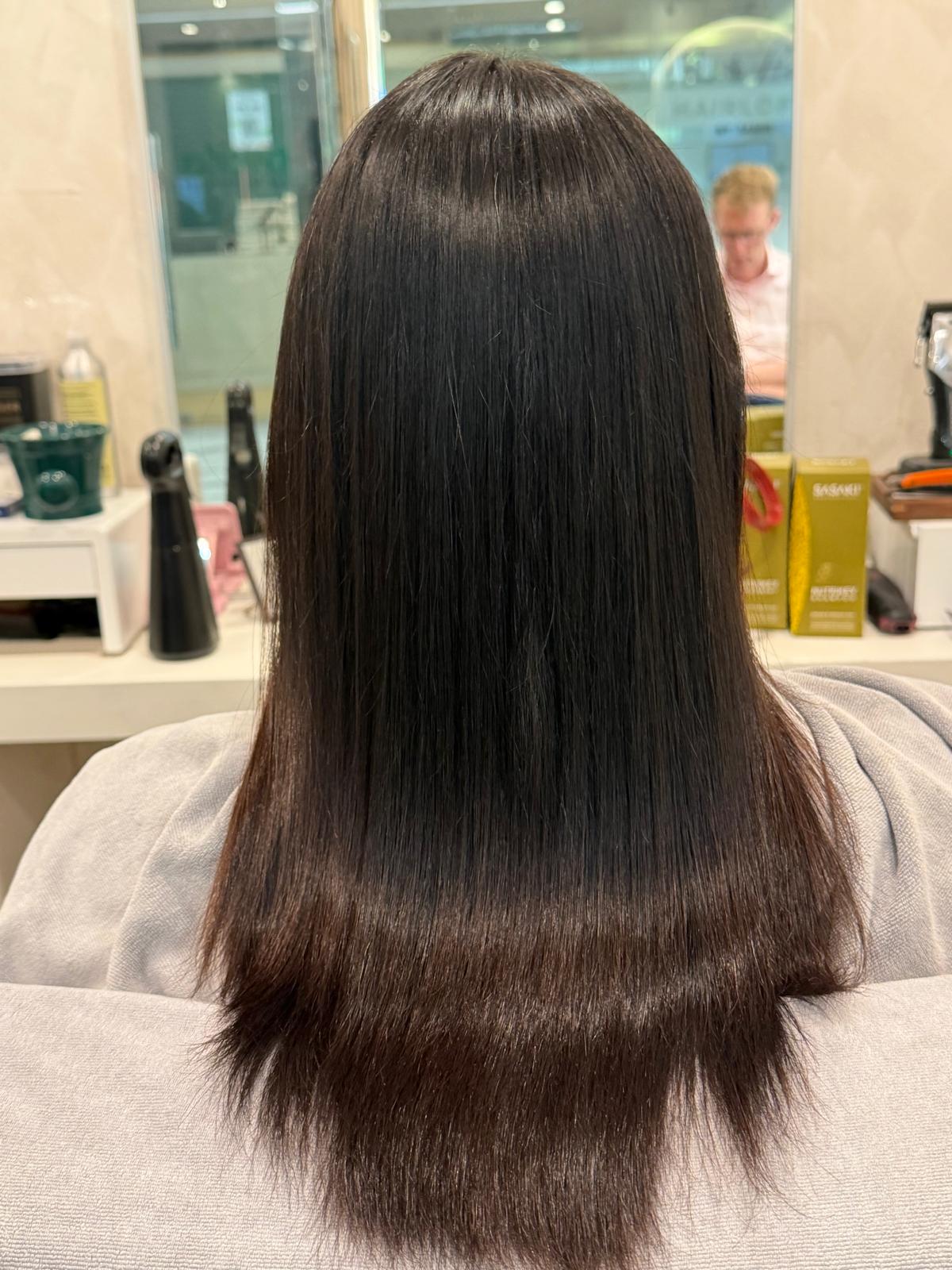
Take a front, side and back photograph after following your usual washing and drying routine. Use clear light and leave the hair in its normal parting. You do not need a perfect image; the point is to show how the ends, crown and front sections actually settle.
If one side behaves differently from the other, photograph both. Note whether you tucked one side behind your ear, tied the hair while it was drying, or wore a collar that pushed the ends. Those details help distinguish your natural fall from the effect of what happened that day.
Describe your routine in actions
- Do you comb it into place, scrunch it, or leave it largely alone?
- Do you usually tuck the front behind your ears?
- Will you spend a few minutes arranging a fringe?
- Do you need all the hair to reach a tie?
- How often do you use a dryer for an occasion?
“Low maintenance” means different things to different people. A person happy to style the front every morning has a different brief from someone who wants to wash, part and leave. Say what you are willing to do instead of relying on the label.
Examine the parts most likely to need attention
Ask how the proposed front pieces will sit around your face. Then discuss the ends: will the chosen length rest on your shoulders, sit above them or fall below? Finally, ask how any layers change the silhouette you already have.
This is a conversation about possibilities, not a guarantee of identical behaviour every day. Your stylist can explain the compromise between the shape in your reference image and the amount of arranging you prefer at home. You may decide to keep more length, soften the change, or make only one adjustment at this visit.
Distinguish haircut from finish
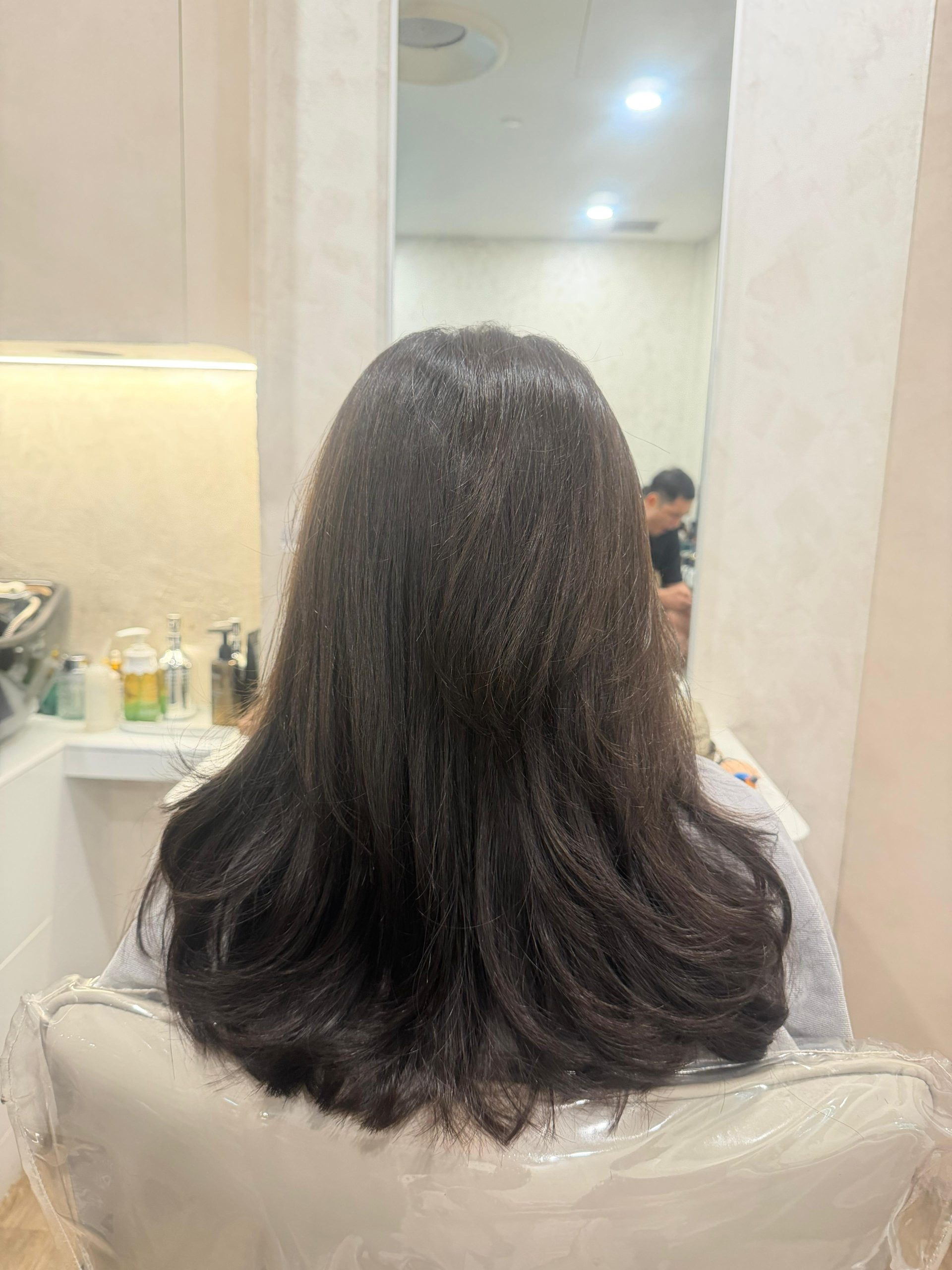
Point to the details you want in the reference: an open face, a fuller bottom edge, or movement through the sides. Then ask which visible features come from cutting and which depend on styling. This is especially useful with large waves, lifted roots or sharply turned-under ends.
If you also enjoy a dressed-up finish occasionally, keep that as a separate option. Hairloft lists cuts, Wash & Blow and Wash & Style. An occasional styled finish can be part of your routine without becoming the standard your everyday hair has to meet.
Leave with a manageable home plan
Ask for a short explanation of how to arrange the parting and front, and what to expect from the ends. If the demonstration uses products or tools, say whether you own or intend to use them. The most useful advice is something you can actually repeat.
After your next normal wash, take another set of photos. If something is awkward, describe the location and action: “The right front piece falls into my face when I look down.” That is clearer feedback than deciding the whole haircut is wrong from one unfamiliar first morning.
Arrange a Hairloft consultation and bring your natural-finish pictures alongside the style you like.