Shoulder-Length Hair That Flips: What to Check Before Cutting Again
If your ends turn out after a day in a collared shirt, the salon finish may feel hard to recreate. Before deciding the cut needs to be shorter, look at where the hair is resting. Shoulder-length hair occupies a busy space: the ends may meet your shoulders, clothing and the front of your body as you move.
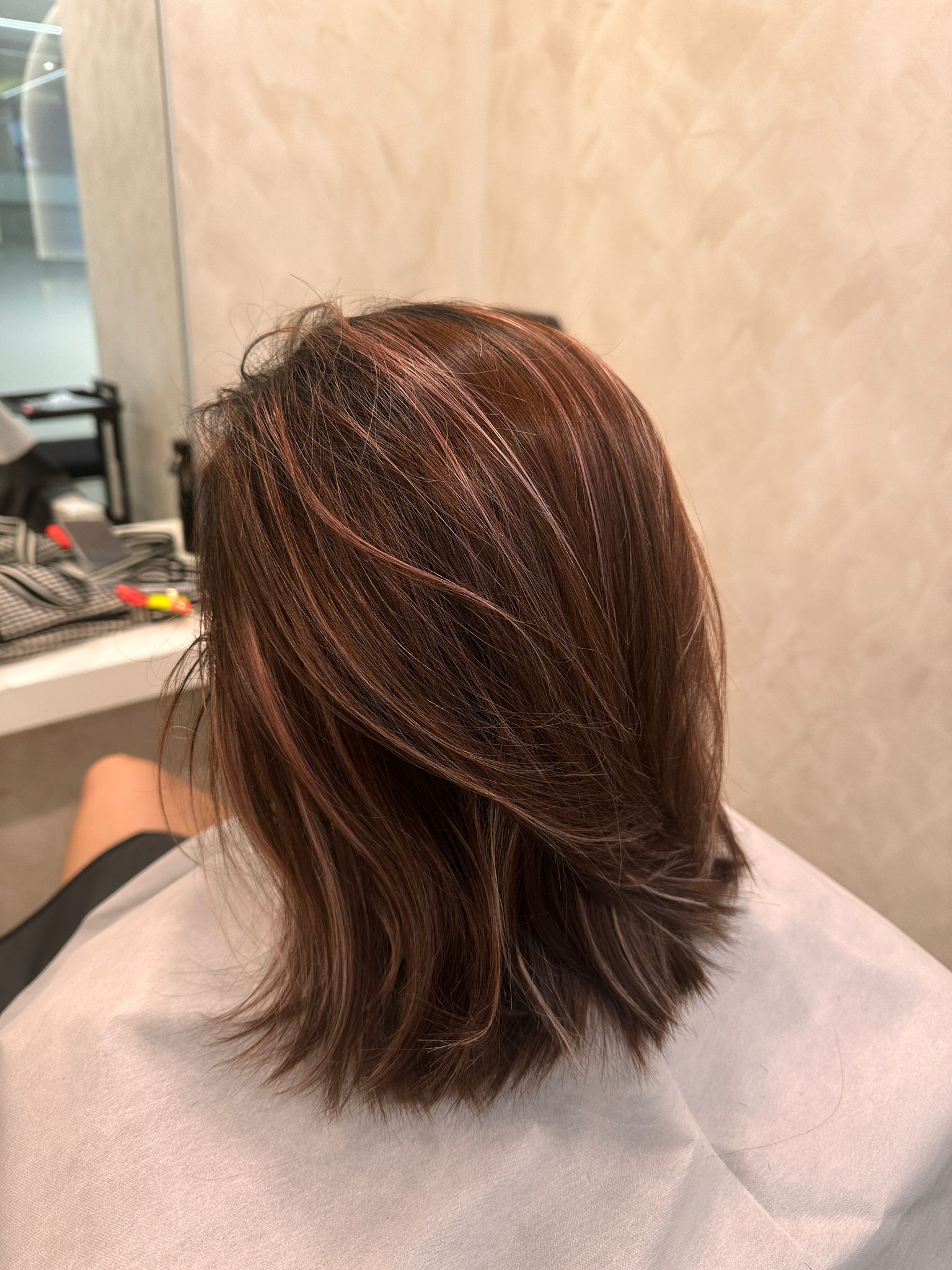
An outward turn is also a legitimate style choice. The important question is whether you like it, want to work with it, or prefer a different outline. Start by observing the pattern instead of repeatedly trimming without an agreed goal.
Find out when the turn appears
Compare your hair immediately after your usual drying routine with how it looks later. Note whether you wore a shirt collar, jacket, scarf or bag strap. Also check whether one side was tucked behind an ear. A quick photograph at each stage can make the difference easier to explain.
You are looking for a repeatable situation, not conducting a test that proves a single cause. If the ends turn out before touching clothing, that is still useful information for the stylist. If it happens mainly against one particular collar, bring a photo of that combination.
Point to the exact length you mean
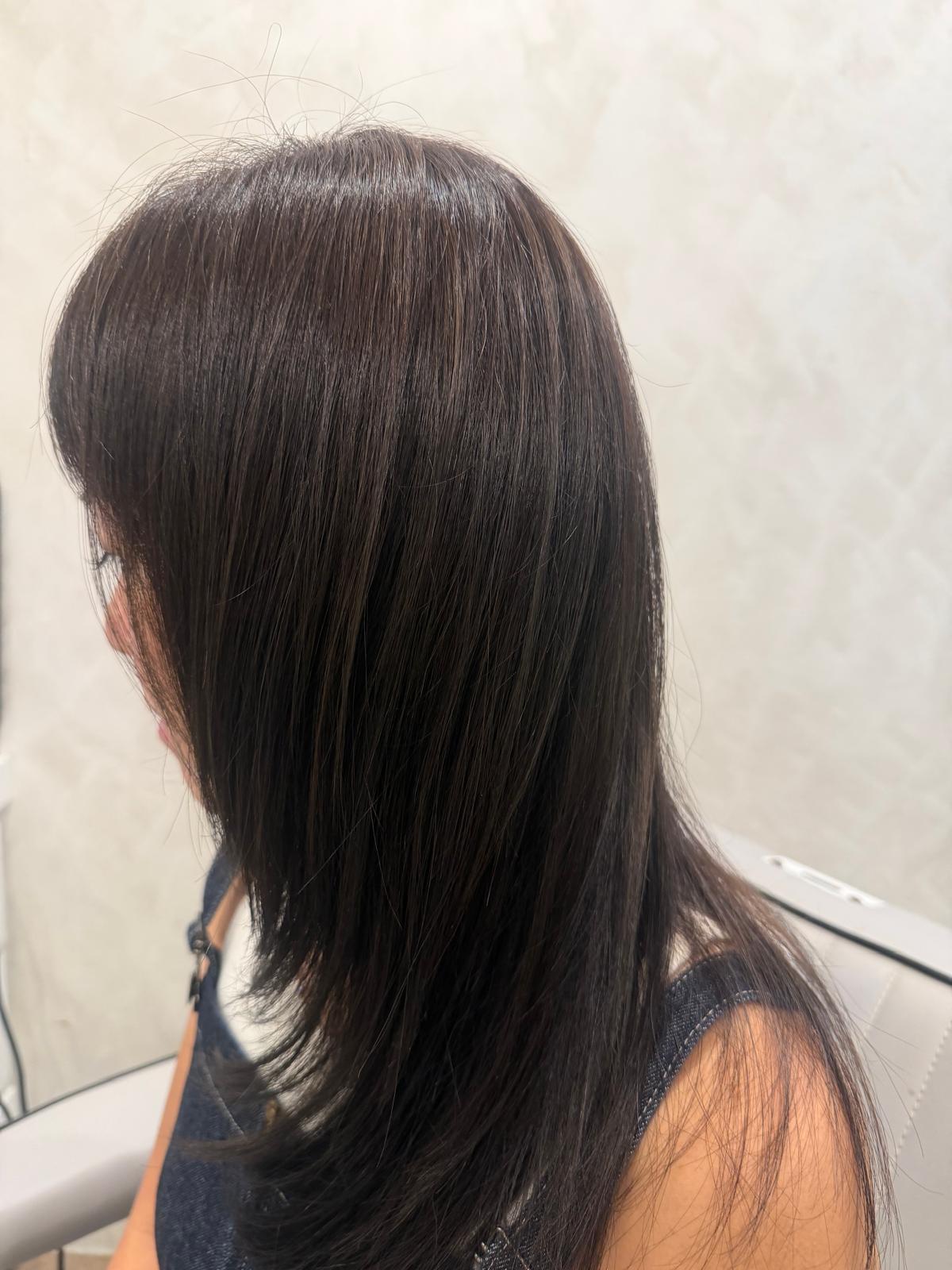
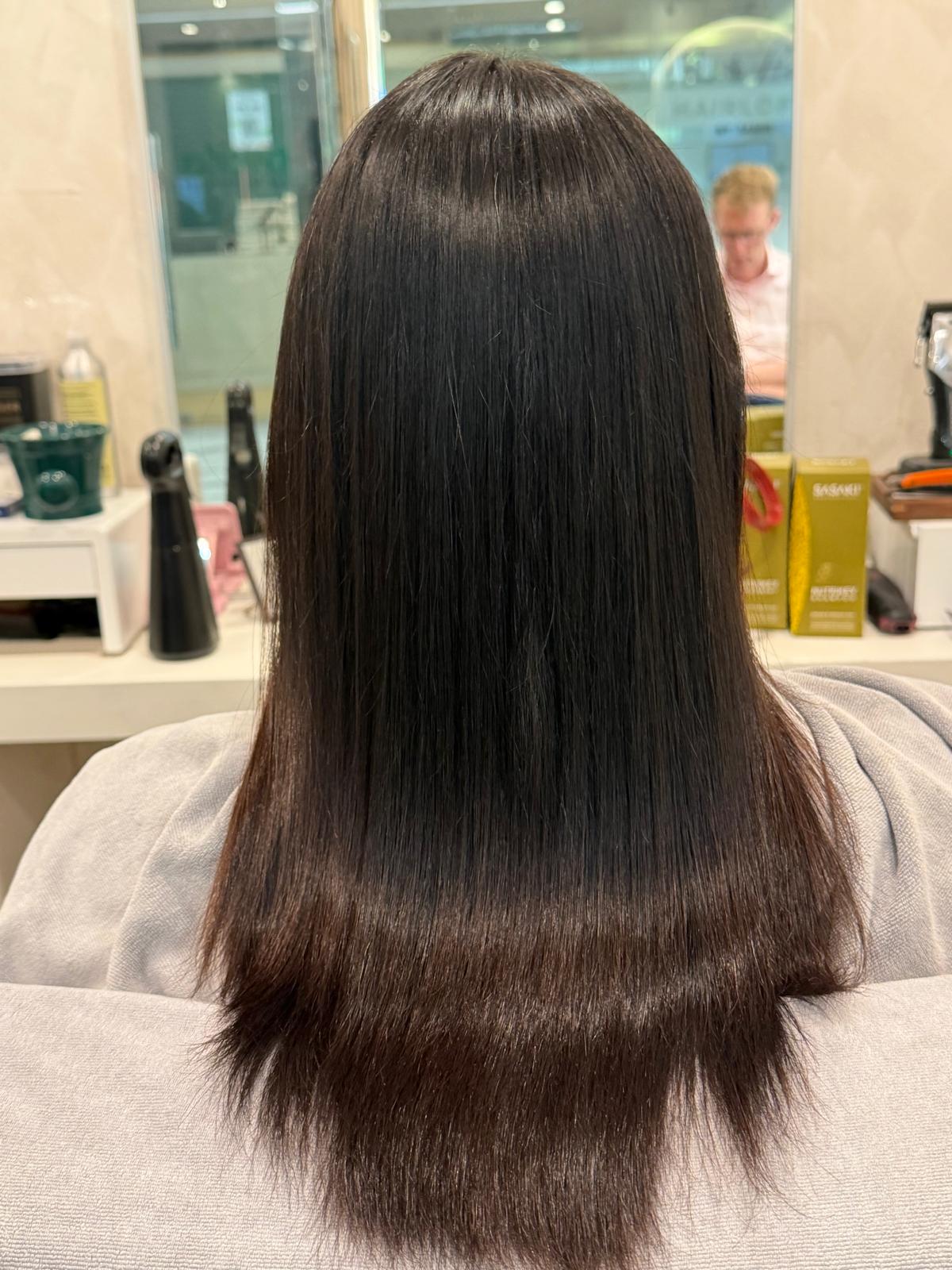
“Shoulder length” covers several visibly different positions. The ends could finish just above the shoulder, rest directly on it or fall below it. Ask the stylist to show the proposed dry length on your body, then look from the side as well as the front.
Do not assume a tiny trim will move the hair clear of every contact point. Equally, do not assume growing it longer will produce a perfectly straight outline. Discuss the amount of change needed for the silhouette you want, including any effect on tying it up.
Choose one of three practical directions
- Keep the length and enjoy the turn: make an outward finish part of the intended style.
- Keep the length and style selectively: learn a manageable way to arrange the sections that bother you.
- Change the length or shape: explore a different resting point with the stylist.
There is no need to treat the first two choices as a failure. If you otherwise like your cut, a small styling adjustment may suit you better than losing length. If you dislike doing any end styling, that preference should guide the haircut discussion.
Bring your everyday neckline into the consultation
For someone who wears a collared work shirt most days, a salon view over a cape is only part of the picture. Show the stylist your normal neckline and explain whether you usually wear a jacket. If your wardrobe varies, identify the clothing you use most often.
Also mention glasses, ear tucking and the side you usually part on. These everyday habits help build a realistic brief. A photograph with your hair entirely forward can be useful, but include one with it sitting naturally behind and around your shoulders too.
Use a simple priority order: first the length you want to keep, then your willingness to style, then the outline you prefer. If those goals compete, knowing their order helps you and the stylist choose a compromise you will still like after the appointment.
Check the result with movement
At the end of the appointment, turn your head, look down and move the hair from front to back. Ask how the finish was created and whether it relies on a particular brush technique. A static mirror view cannot show every position you will use during the day.
Hairloft’s cuts and styling menu includes Wash & Blow and Wash & Style. If you would like help comparing the options, book a consultation with photos of both the finish you like and the moment the ends become awkward.