Table of Contents
Dealing with unmanageable, frizzy hair in Singapore’s notoriously humid climate is a daily struggle for many. When simple serums and blowouts are no longer enough to keep your hair smooth, it is time to look into professional salon solutions. The two most highly debated options are keratin treatments and soft rebonding. While both aim to eliminate frizz and reduce styling time, they achieve these results through completely different chemical processes. This comprehensive guide will break down everything you need to know to make an informed decision for your hair.
Understanding the Options for Frizzy Hair
The primary difference between these two popular salon services lies in how they alter the hair structure. One method acts as a heavy conditioning shield that coats the hair, while the other fundamentally changes the internal bonds of the hair shaft to permanently alter its shape. Choosing the wrong treatment can lead to flat, lifeless hair or cause unnecessary chemical damage. Professional consultation at His & Her Hair Loft is always the best first step before committing to either process.
The Mechanics of a Keratin Treatment
A keratin treatment is essentially a supercharged smoothing process. Your hair is naturally made up of keratin protein. Over time, heat styling, sun exposure, and coloring deplete this natural protein, leading to porous hair that easily absorbs moisture from the air, which we see as frizz. A keratin treatment physically injects liquid keratin and a blend of amino acids back into the porous gaps of the hair cuticle.
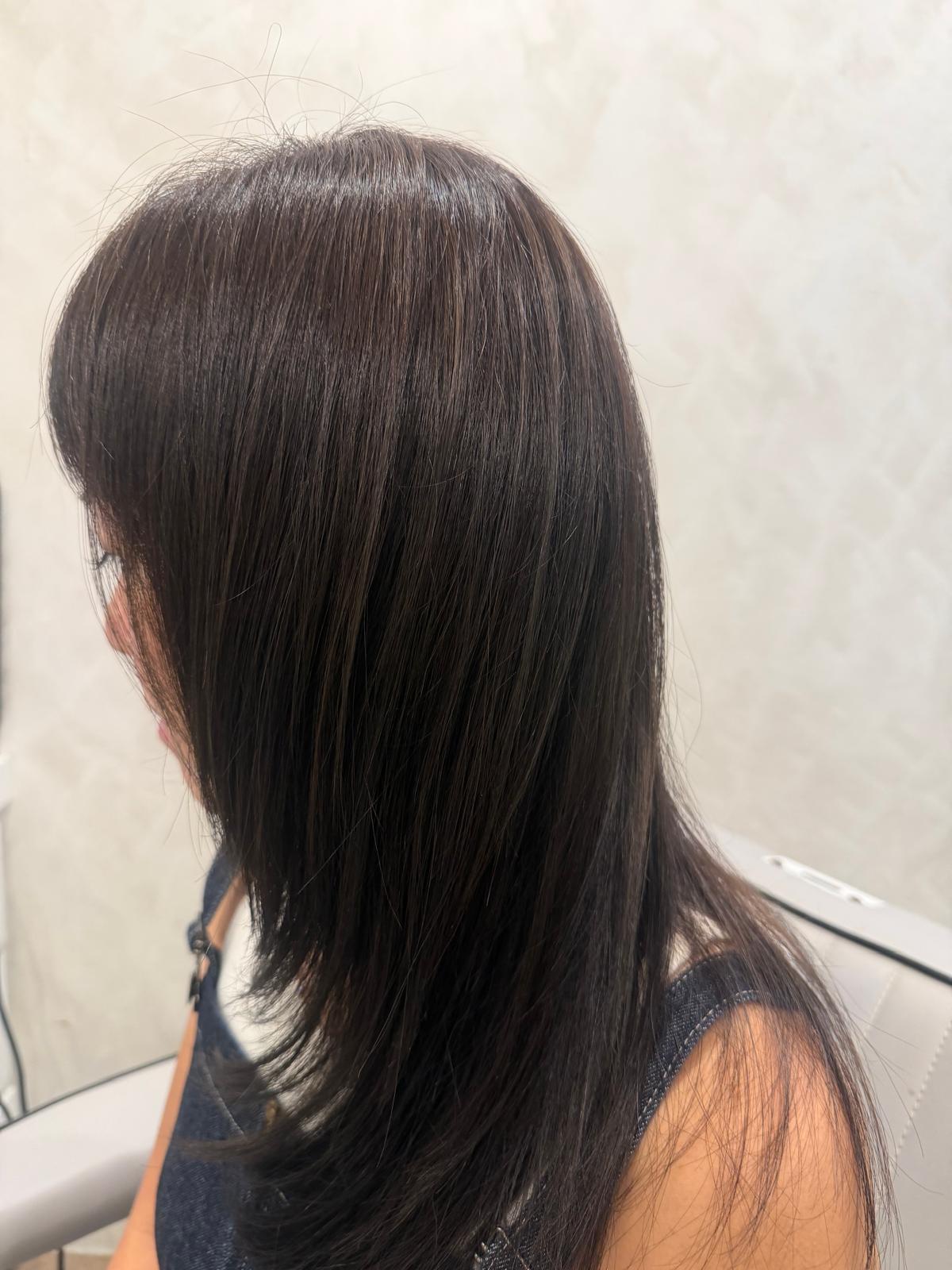
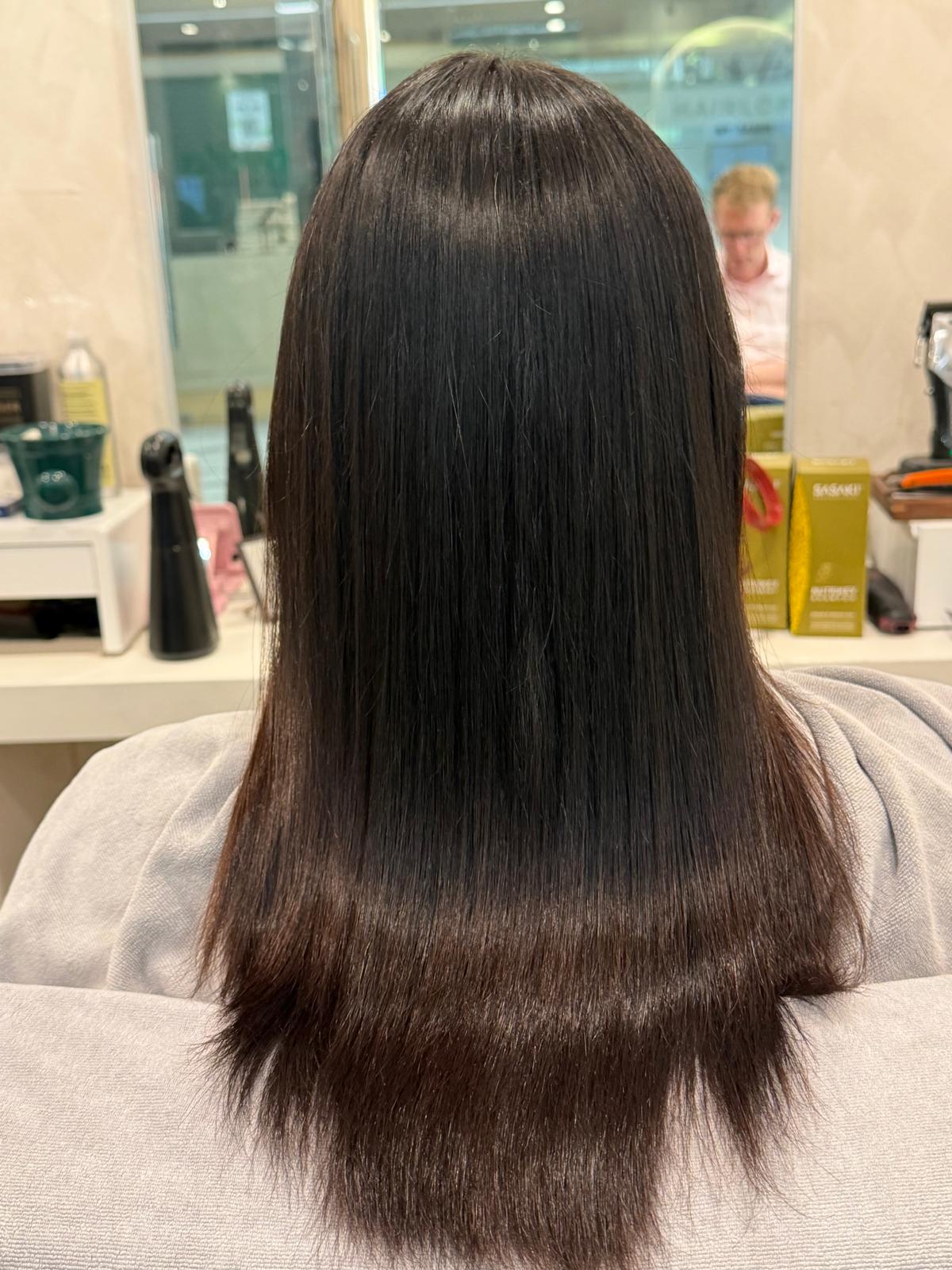
This process does not break the natural bonds of your hair. Instead, it coats the hair shaft and is sealed in using a flat iron. The result is hair that remains voluminous but is incredibly shiny, smooth, and resistant to humidity. Because it does not permanently alter the hair structure, the effects of a keratin treatment will gradually wash out over three to four months, returning your hair to its natural texture over time without any awkward lines of demarcation.
The Science Behind Soft Rebonding
Rebonding is a permanent chemical straightening process. Traditional rebonding often resulted in hair that looked stiff and unnaturally flat. However, modern soft rebonding techniques have revolutionized this service. Soft rebonding utilizes milder chemicals to gently break the disulfide bonds in your hair. Once the bonds are broken, the hair is reshaped using a flat iron and then a neutralizer is applied to lock the new, straight structure into place.
Because soft rebonding permanently changes the internal structure of the hair, the treated portions will remain straight forever. The newly grown hair at the roots, however, will come in with your natural texture. This means you will need root touch up appointments every four to six months depending on how fast your hair grows. Soft rebonding is incredibly effective for individuals with very tight curls or highly resistant, thick waves that a keratin treatment simply cannot tame.
Making the Right Choice for Your Hair Type
If your primary goal is to retain your natural body and wave but eliminate the halo of frizz, a keratin treatment is undoubtedly the superior choice. It is also the safer option if your hair is heavily bleached or compromised, as the treatment actually helps fortify the hair cuticle rather than breaking it down further.
Conversely, if you want perfectly straight hair with zero daily effort and you have relatively healthy, virgin, or only slightly colored hair, soft rebonding will give you the permanent sleekness you desire. Always discuss your previous chemical history with your stylist, as overlapping strong chemicals can lead to severe breakage.
Frequently Asked Questions
For soft rebonding, you must avoid tying, clipping, or tucking your hair behind your ears for at least forty eight hours to prevent creating permanent dents in the newly set hair. For keratin treatments, it is also recommended to leave the hair down and dry for the first two to three days to allow the product to fully cure.
No, a keratin treatment is a smoothing treatment, not a straightening treatment. It will significantly relax your curl pattern and eliminate frizz, but it will not give you the pin straight look of rebonding. You will still have natural movement and volume.
The most crucial step for maintaining either treatment is using a strictly sulfate free shampoo. Sulfates will prematurely strip the keratin coating from your hair and can cause rebonded hair to become dry and brittle. Regular deep conditioning masks are also highly recommended to maintain moisture levels.