Blunt or Textured Ends? How to Describe the Finish You Want
Two haircuts can finish at the same length and still look very different at the bottom. One has a clear, substantial line; the other has a softer, more separated edge. When you are choosing between blunt and textured ends, the useful question is how you want that outline to look in everyday wear.
These terms are descriptions, not complete instructions. Different stylists may use them slightly differently, and a photograph can hide the actual cut beneath a blow-dry. Start with the effect you like, then agree how to create it on your hair.
Look at the perimeter first
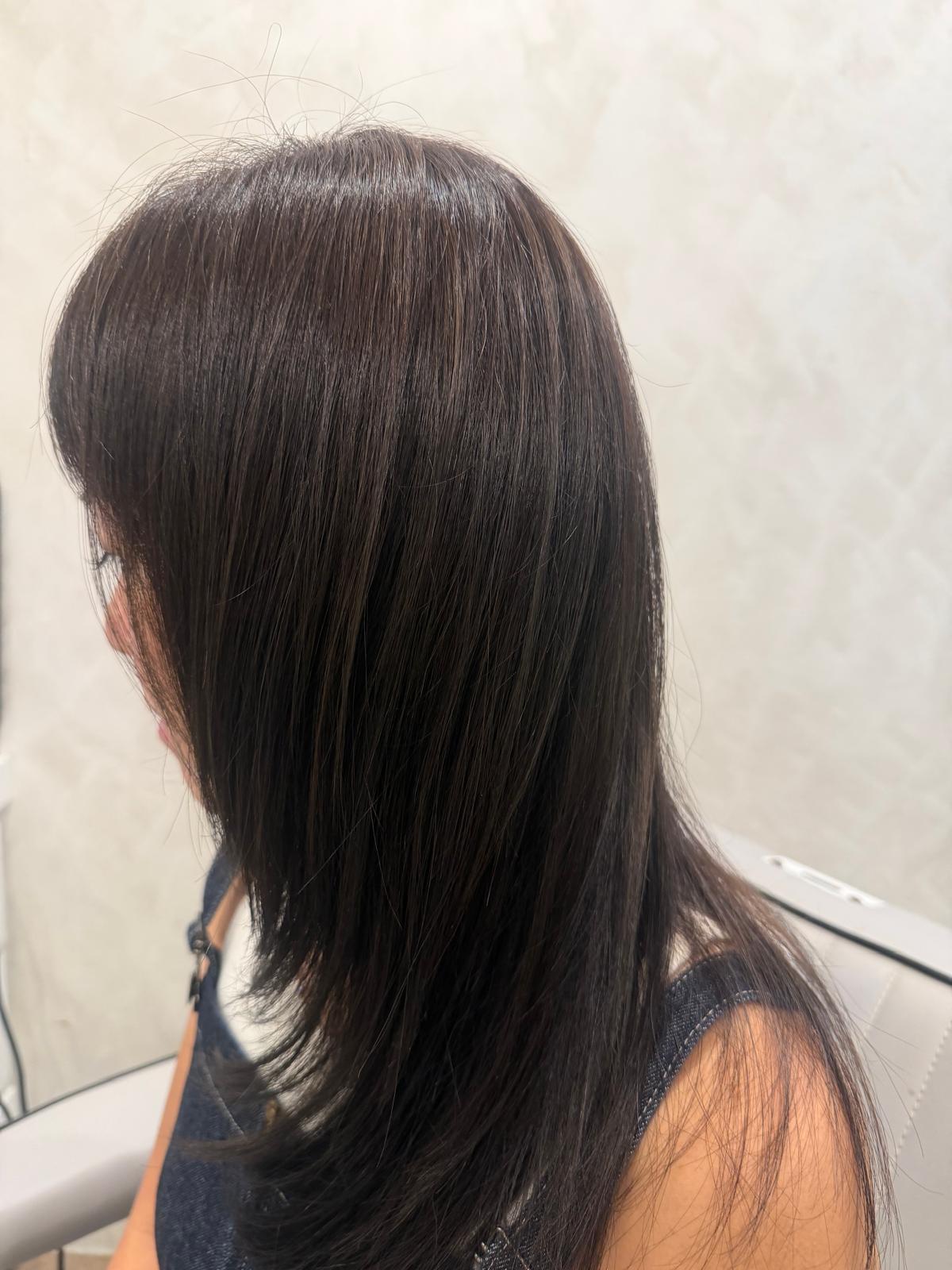
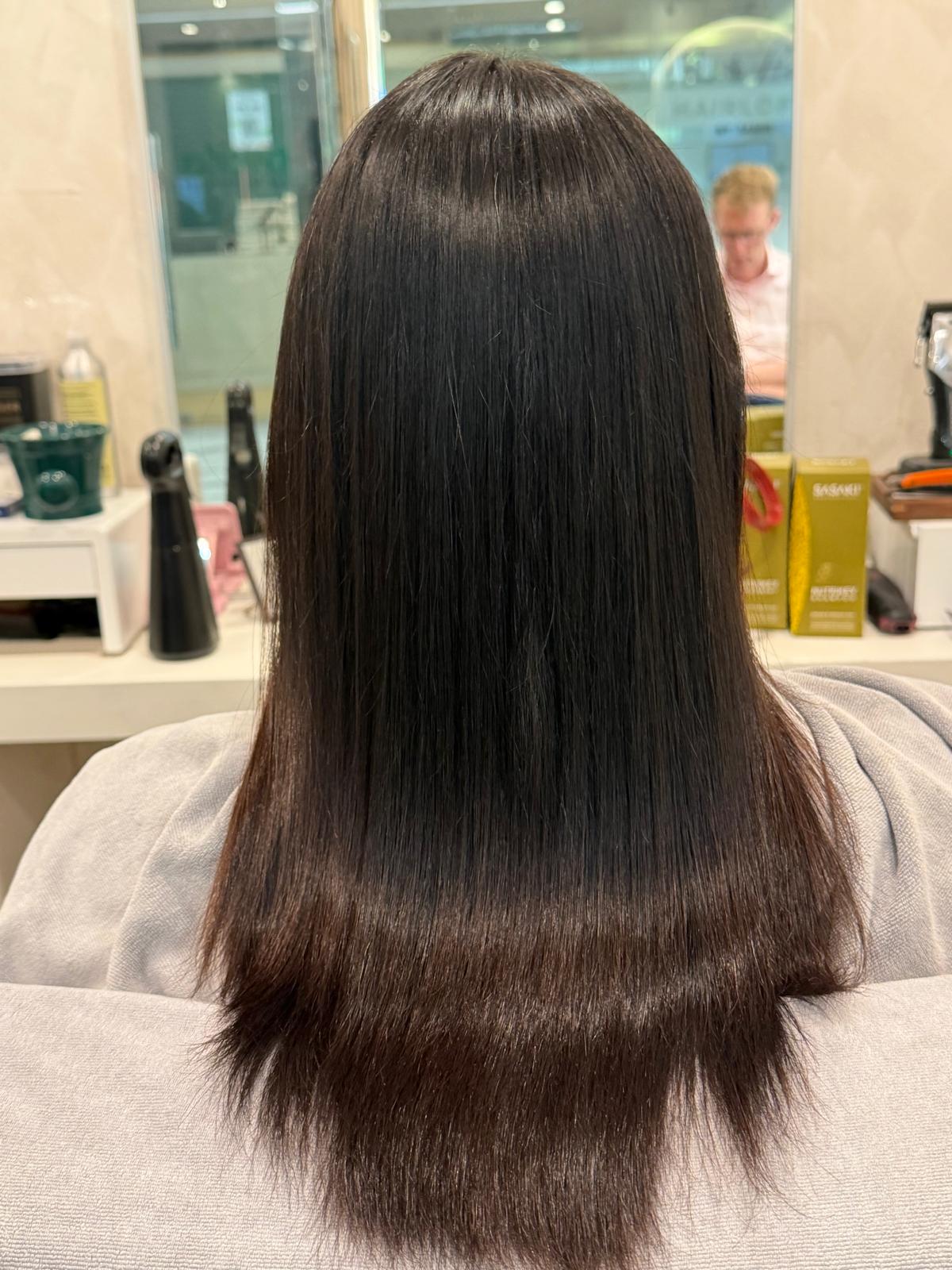
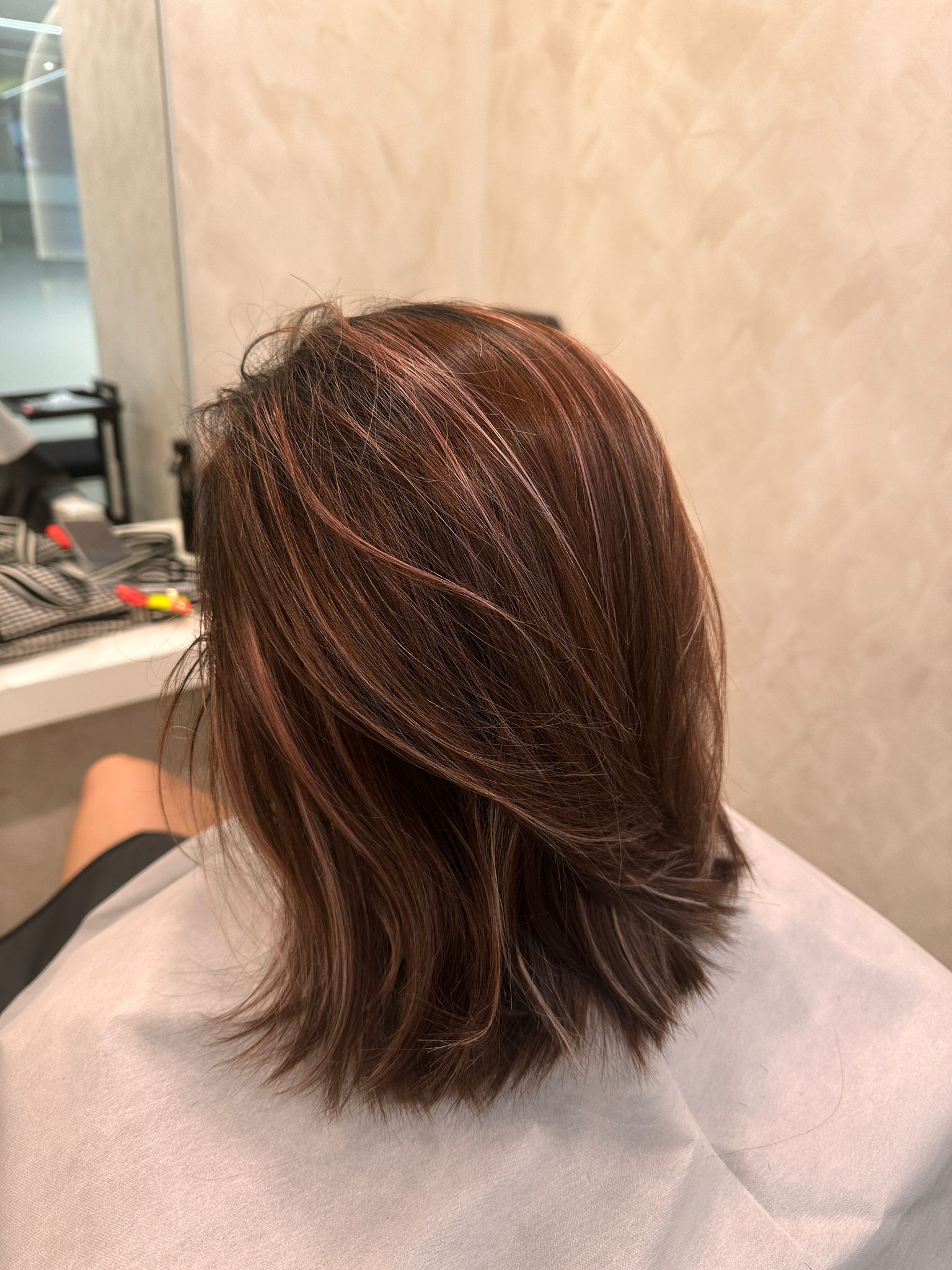
The perimeter is the outer edge of the haircut, most easily seen along the bottom when the hair is down. A blunt-looking perimeter presents a more continuous line. A textured-looking perimeter has a less solid, more broken-up appearance. Neither tells you everything about the layers inside the haircut.
You can ask for some internal movement while retaining a fuller outline, or for a lighter edge without very short layers. That is why “I want texture” needs a follow-up conversation: do you mean the visible ends, the shape through the middle, or the way the hair moves around your face?
Choose the visual priority
| If you like this effect | Discuss this detail |
|---|---|
| A graphic, clearly defined bottom line | How much fullness can remain at the perimeter |
| A softer edge with visible separation | Where that softness should begin and how subtle it should be |
| Movement without losing a substantial ponytail | Layer placement as well as the treatment of the ends |
| A finish that looks good air-dried | How the outline sits in your natural fall |
Use the table to identify your preference, rather than deciding that one technique is universally better for a particular hair type. The stylist needs to see the actual hair and the outline you are starting with.
Bring a “too much” example
A picture you dislike can prevent a misunderstanding. You might like a soft edge but dislike ends that look very sparse. Or you may want fullness but find a strongly geometric line too severe for your taste. Showing both boundaries makes the desired middle ground much clearer.
Try these phrases: “I like this movement, but I want a fuller bottom edge,” or “I want the outline softened slightly, without a dramatic change in length.” They describe a visible result and leave the stylist room to explain what is realistic.
Check the finish in more than one position
Look at the hair from the back and both sides. Then bring it forward over the shoulders. A finish that looks full against a dark salon cape can be harder to judge than the same hair against your usual clothing, so ask to view it in a way that makes the outline clear.
If you usually tie your hair, gather it before the consultation ends. If you change your parting, mention that too. Those habits can affect where shorter sections appear, even when the longest length remains the same.
Agree the amount of change before cutting
Ask the stylist to show the proposed length with their fingers or a comb. Then discuss the ends separately: how solid, soft or tapered should they look? If you are unsure, request a conservative first step and a visual check before further softening.
Finally, ask what styling produced the finished look. A curled photograph or salon blow-dry can create separation that you might otherwise attribute to the haircut itself. Knowing that distinction helps you judge whether the finish suits your routine.
See Hairloft’s haircut and styling menu before planning your visit. Contact the salon with a picture of your current ends and the outline you prefer. Confirm the proposed length, finish and individual quote during the consultation.