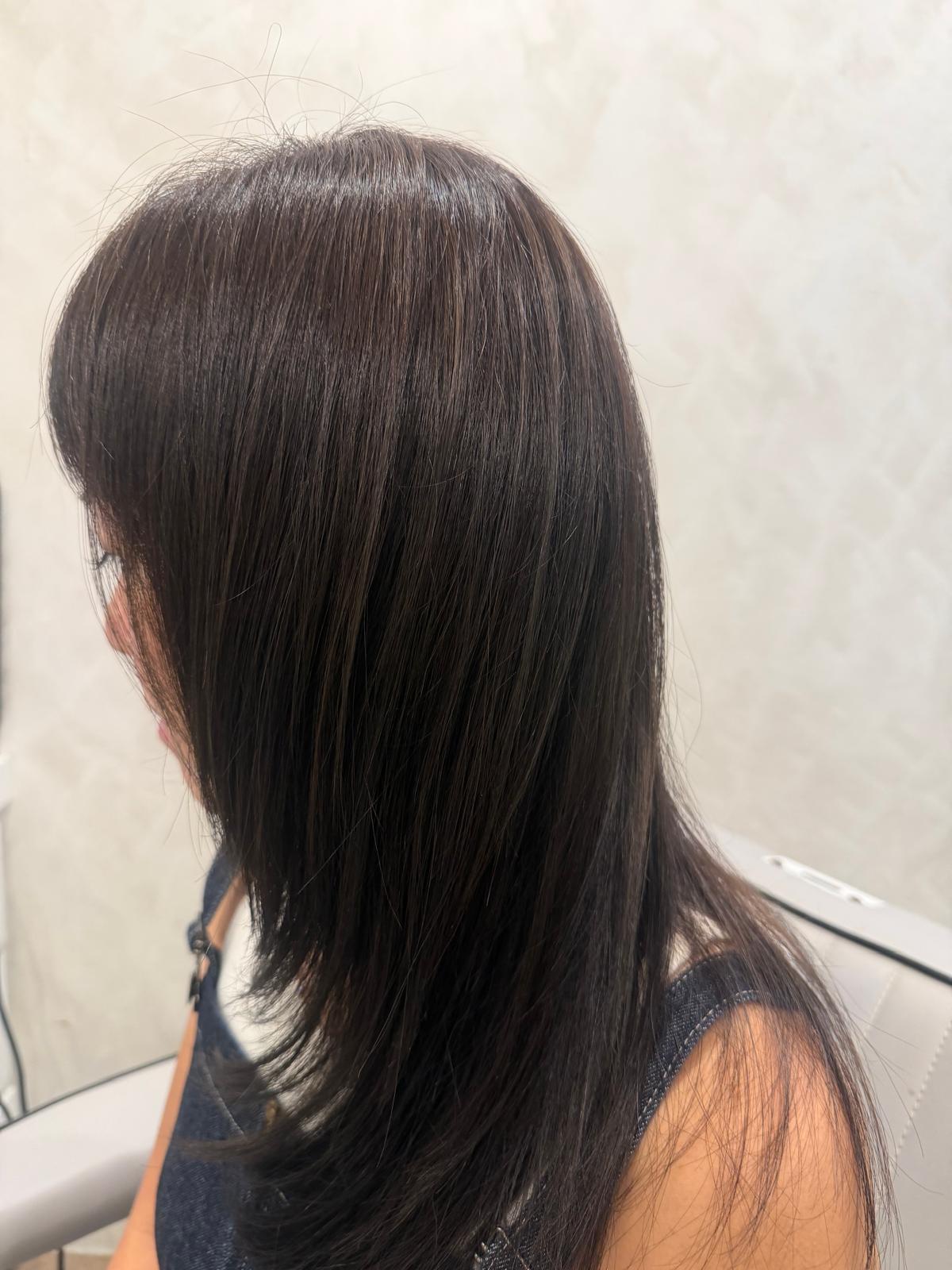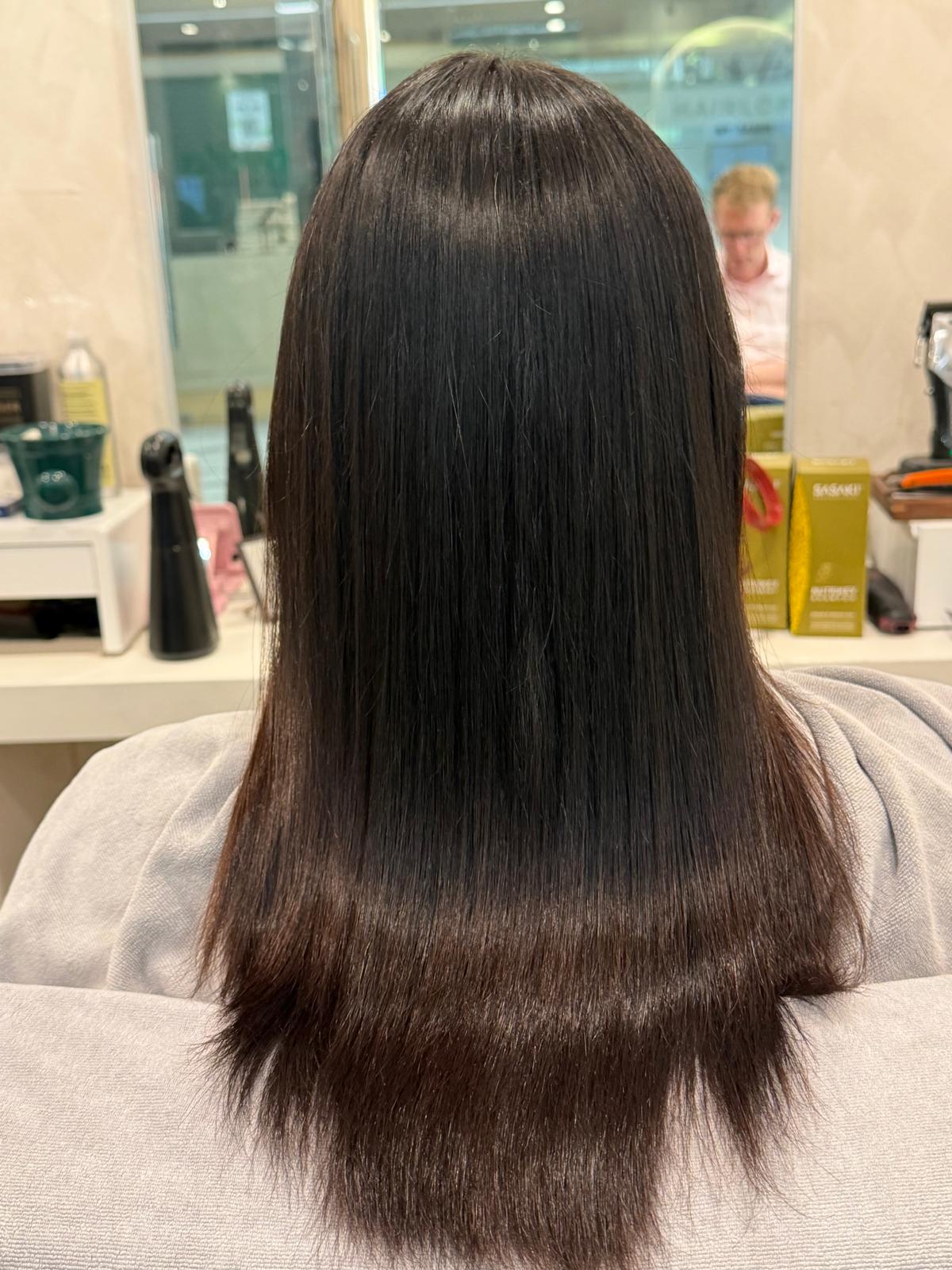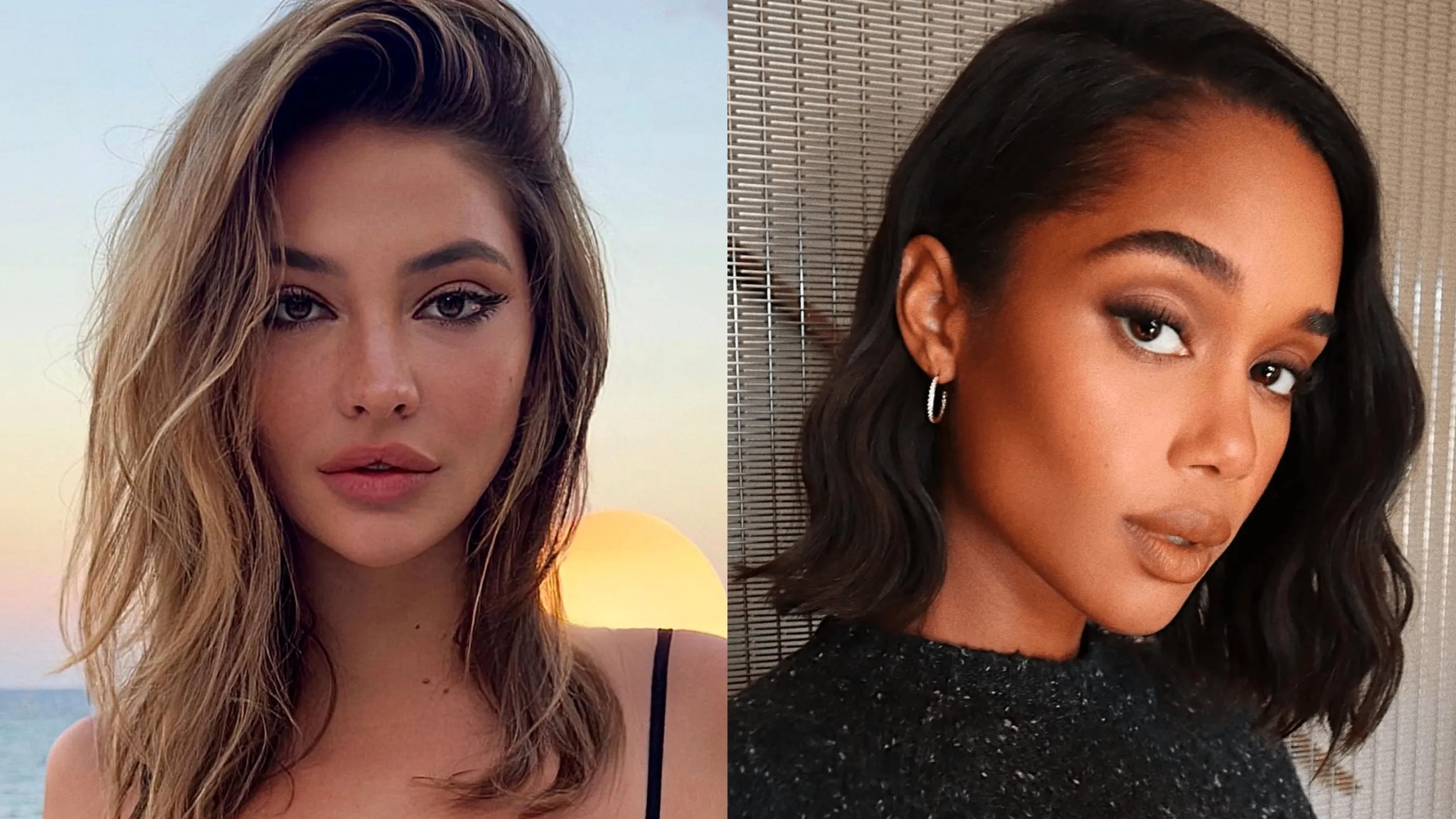
The bob has been quietly outlasting trends for a century, and it is easy to see why. It is chic without trying too hard, modern but never gimmicky, and it sits at a length most people find genuinely manageable. If you have been searching for a bob haircut Singapore stylists actually recommend, you will quickly find there is no single bob, and the right one depends as much on your hair and lifestyle as on the photo you saved.
This guide walks through the main bob styles, who each one suits, and the honest realities of living with a bob in our climate. By the end you should know which direction appeals to you and how to describe it clearly when you sit down with a stylist.
Table of Contents
Bob Haircut Singapore: The Main Variations Explained
Calling something a bob is a bit like calling something a coffee. The family is broad, and the details change everything. Knowing the names helps you and your stylist speak the same language, so here are the variations you are most likely to be choosing between.
- The classic or French bob sits around chin length and often comes with a fringe. It is neat, timeless and has a slightly Parisian, effortless feel.
- The long bob, or lob, falls around the collarbone. It is the most versatile of the lot, easy to tie back, and a gentle way to try shorter hair without a dramatic change.
- The blunt bob is cut to one solid line with no internal layering. It looks dense and polished, which makes it brilliant for finer hair, though that crisp line does show humidity frizz more readily.
- The textured or layered bob has softness and movement built in. The layers make it more forgiving day to day, which matters a lot in Singapore.
- The A-line or graduated bob is shorter at the back and longer at the front, creating an angled, modern shape with a bit of structure.
None of these is better than the others; they simply suit different hair and different routines. The next sections help you narrow it down.
Matching a Bob to Your Face Shape and Hair Type
A bob haircut Singapore stylists are happy with works best when it is chosen for you specifically, not copied wholesale from a celebrity. Two things guide that choice: your face shape and your hair type, including how thick or fine your hair naturally is.
On face shape, the goal is balance. A longer bob or one with face-framing pieces can soften a rounder face, while a chin-length blunt bob can add welcome width and structure to a longer face. A fringe can shorten the look of a longer forehead, and a side-swept length can flatter a sharper jaw. None of these are strict rules, but they are useful starting points.
Hair type and density matter just as much
Finer hair tends to love a blunt bob, because a single solid line creates the illusion of more density and weight. Thick or coarse hair is usually happier in a textured or layered bob, since removing some internal weight stops the shape from looking bulky or triangular. Wavy and curly hair can absolutely wear a bob, but the cut needs to account for how much your hair springs up when it dries. If you are not sure what suits you, it is worth reading our honest take on whether a haircut will suit you before you commit, and our overview of the most flattering hairstyles for women puts the bob in context alongside other options.
The Honest Upkeep: Why a Bob Needs Regular Shaping
Here is the part that does not always make it into the inspiration photos. A bob is a precision haircut, and precision haircuts need maintenance to keep looking like the photo that made you want one.
Because a bob relies on a clean, defined line, it loses its shape faster than longer, layered styles as it grows. The crisp edge softens, the length creeps past the spot that flattered you, and what looked sharp can start to look shapeless. To keep a bob looking its best, most people need a shaping appointment roughly every five to eight weeks. A longer, textured lob is the most forgiving and sits at the relaxed end of that range, while a short blunt bob is the most demanding.
The cutting itself matters enormously too. A bob shows every detail, so an uneven line or a weight that sits wrong is immediately visible in a way it would not be on long hair. Precision cutting and an experienced eye are genuinely worth seeking out for this style. If you want to think through the rhythm of trims before you commit, our guide to how often to get a trim lays out what to expect so there are no surprises later.
Styling Your Bob and the Singapore Humidity Factor
One of the bob’s quiet advantages is that there is simply less hair to manage, which usually means a faster routine. But our climate deserves an honest mention, because humidity is the single biggest factor in how a bob behaves day to day.
A bob is versatile to style. You can wear it sleek and polished with a smoothing product and a flat iron, or tousled and relaxed with a texturising spray and a scrunch of the ends. Both looks suit the same cut. The catch is that humidity works against a sleek finish in particular. The moment you step out of an air-conditioned room, moisture in the air can lift the cuticle and bring frizz, which a crisp blunt bob shows more than a softer one.
A few habits make a bob easier to live with here:
- Choose a textured or layered bob if you want a style that looks intentional even when it gets a little fluffy.
- Use an anti-frizz or smoothing product suited to your hair type, especially on the days you want a sleek look.
- Carry a small claw clip or pin, since a longer bob can be twisted up quickly when the heat wins.
- Embrace a tousled finish on humid days; a bit of texture reads as deliberate styling rather than frizz.
Being realistic about humidity before you cut helps you choose a bob you will enjoy in August, not just in the salon mirror.
Growing It Out and Talking to Your Stylist
Two practical things round out the picture: what happens when you want your length back, and how to actually communicate the bob you want.
Growing out a bob is not as painful as people fear, but it does have an awkward middle stage as the shape passes through the shoulder area. The trick is to keep getting it shaped through the grow-out rather than avoiding the salon entirely. A few well-timed cuts let the bob evolve gracefully into a lob and then into longer layers, so it always looks styled rather than simply long.
When it comes to the consultation, specifics beat adjectives. Saved photos are useful, but pairing them with clear details gives your stylist far more to work with:
- Length, described in relation to your chin, jaw or collarbone, since that is more reliable than centimetres.
- Weight and texture, meaning whether you want a solid blunt line or softer, layered movement.
- Fringe or no fringe, and if yes, whether you want it full, soft or side-swept.
- Your routine, so the cut matches how much time you genuinely want to spend styling.
The best results always come from a proper conversation. If a bob has been on your mind, you are warmly invited to come in for a relaxed consultation at our hair salon in Singapore, where a stylist can look at your hair, talk through the variations and help you choose a bob that suits your face, your hair and your day-to-day life.
Frequently Asked Questions
Which bob haircut is best for Singapore humidity?
A textured or layered bob tends to handle humidity best, because the built-in movement means a little frizz reads as intentional styling. A blunt bob looks beautiful but shows humidity frizz more readily along its crisp line.
How often does a bob haircut need to be trimmed?
Most bobs need a shaping appointment roughly every five to eight weeks to keep their defined line. A short blunt bob sits at the more frequent end, while a longer, textured lob is the most forgiving.
Is a bob a good choice for fine hair?
Yes, very much so. A blunt bob with one solid line creates the illusion of more density and weight, which is why finer hair often looks fuller and healthier in a well-cut bob.
What is the difference between a bob and a lob?
A classic bob usually sits around chin length, while a lob, or long bob, falls around the collarbone. The lob is more versatile and easier to tie back, making it a gentle first step into shorter hair.
Is it hard to grow out a bob haircut?
Not really, though there is an awkward middle stage around the shoulders. The key is to keep getting it shaped during the grow-out so it evolves smoothly into a lob and then longer layers.
How do I tell my stylist what bob I want?
Bring photos, but also describe the length relative to your chin or collarbone, how much weight or texture you want, and whether you want a fringe. Mention your styling routine so the cut fits your lifestyle.