How to Compare Haircut Reference Photos Before Your Appointment
Ten saved haircut photos can contain ten different requests. You may like the fringe in one, the sides in another and the lighting in a third without noticing that their actual shapes conflict. A useful reference set is small and annotated. It tells your barber which visible details matter and which details are simply part of the photograph.
Pick a lead image and two supporting views
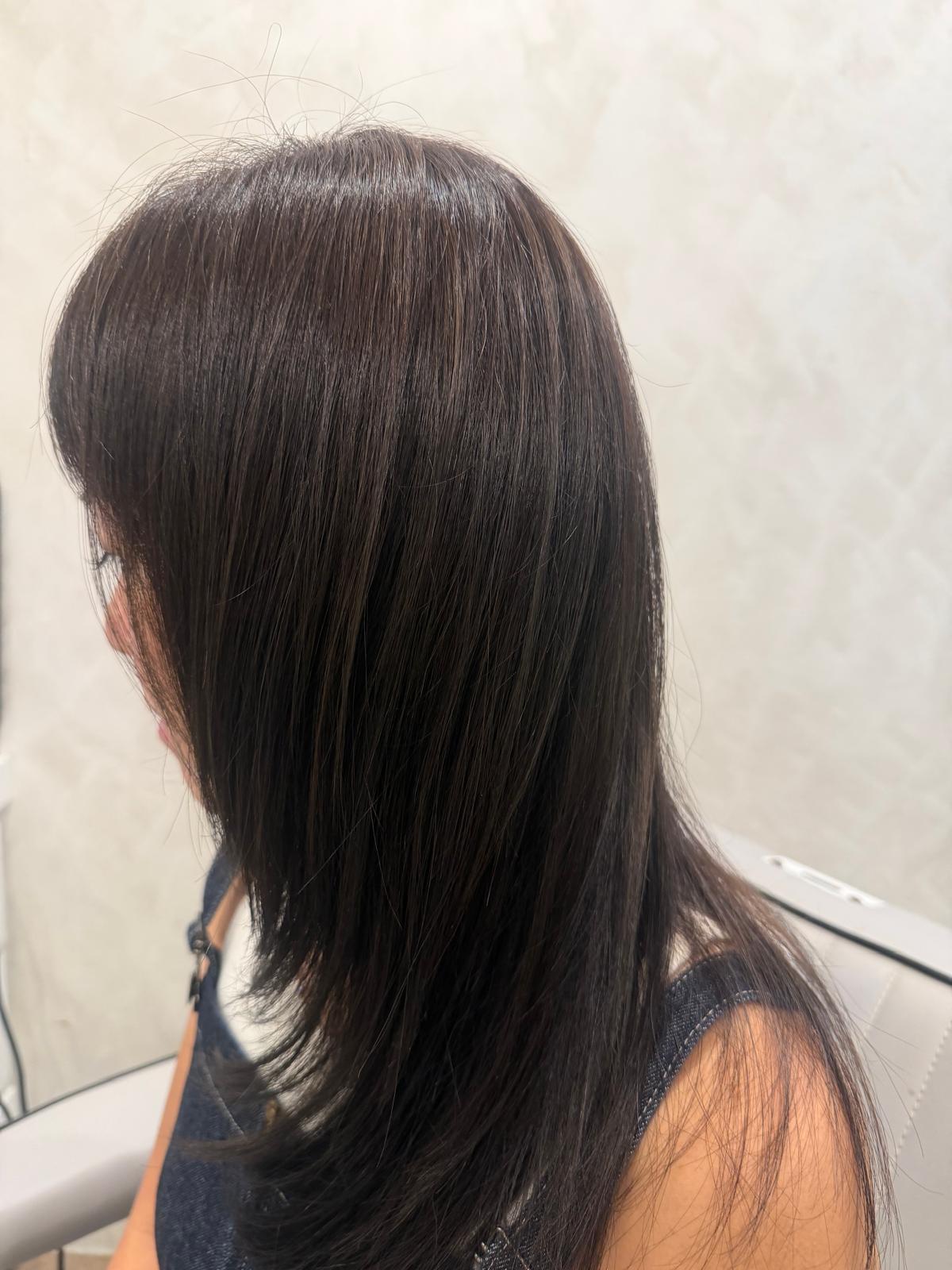
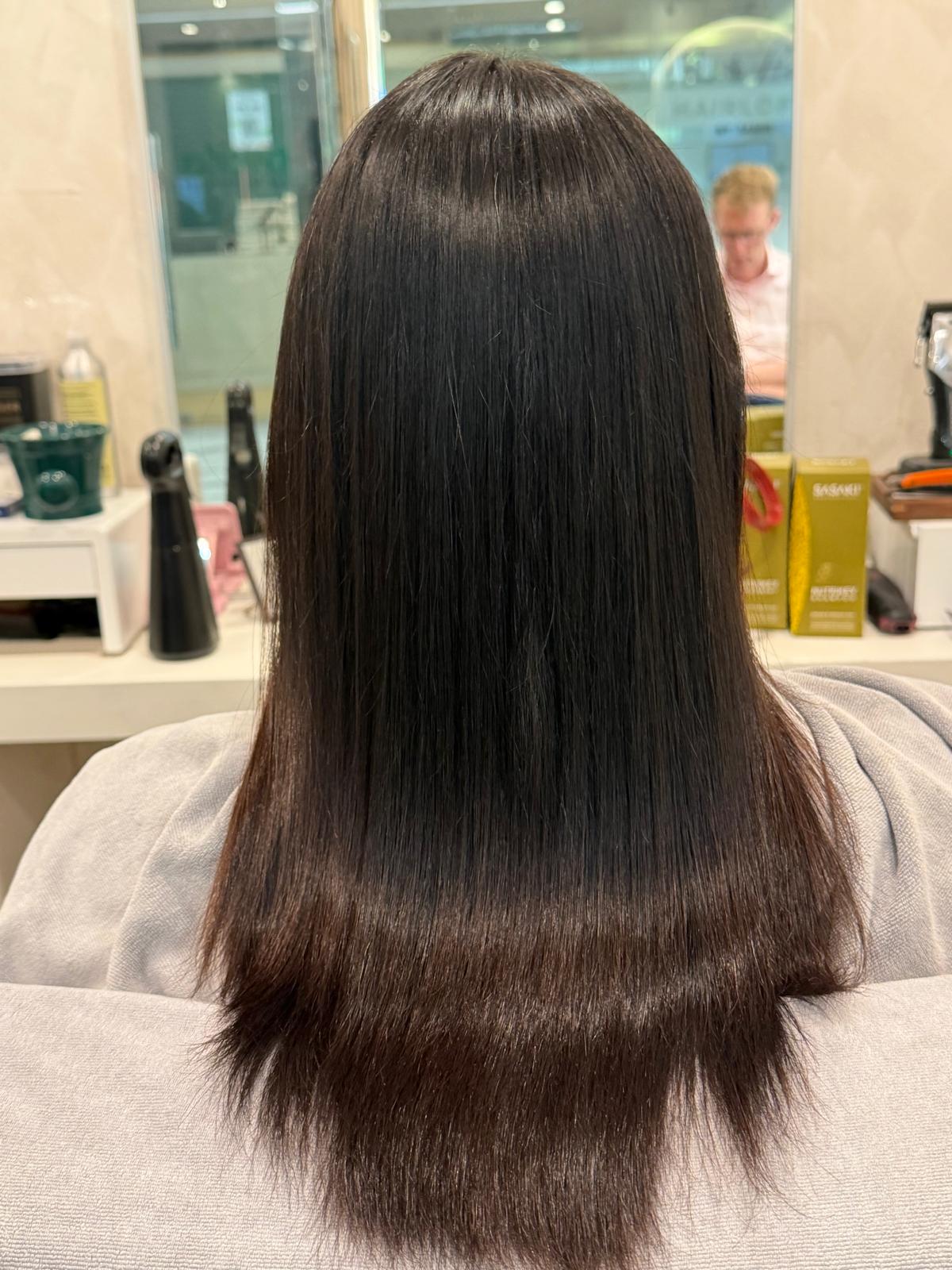
Choose one image that best represents the overall haircut you want. Then look for a side and back view of the same haircut if possible. When those views are unavailable, use another image only to explain a specific detail, such as the neckline or retained length around the ears. Do not assume the unseen back matches your expectation.
Label the images in your phone: “overall shape,” “side length” and “neckline.” This prevents the consultation becoming a guessing exercise as you swipe through a large folder. If you cannot find a suitable view, describe the missing detail in plain language and ask the barber to explain the options.
Separate the cut from the finished styling
Look for how much of the result depends on direction and finish. Is the front lifted high, swept tightly back or deliberately separated into small pieces? A still image does not reveal how long the styling took, whether the model’s hair naturally bends that way, or how it looks after ordinary activity.
Say which effect you want to copy. “I like the outline but want less shine” is useful. So is “I want this amount of movement, but I only air-dry.” Ask which parts of the reference can be translated to your present hair and which would need a different routine. Hairloft’s barber services are a starting point for that discussion.
Compare five visible features
| Feature | What to look for |
|---|---|
| Front | Where the fringe ends and whether it is worn forward, sideways or up. |
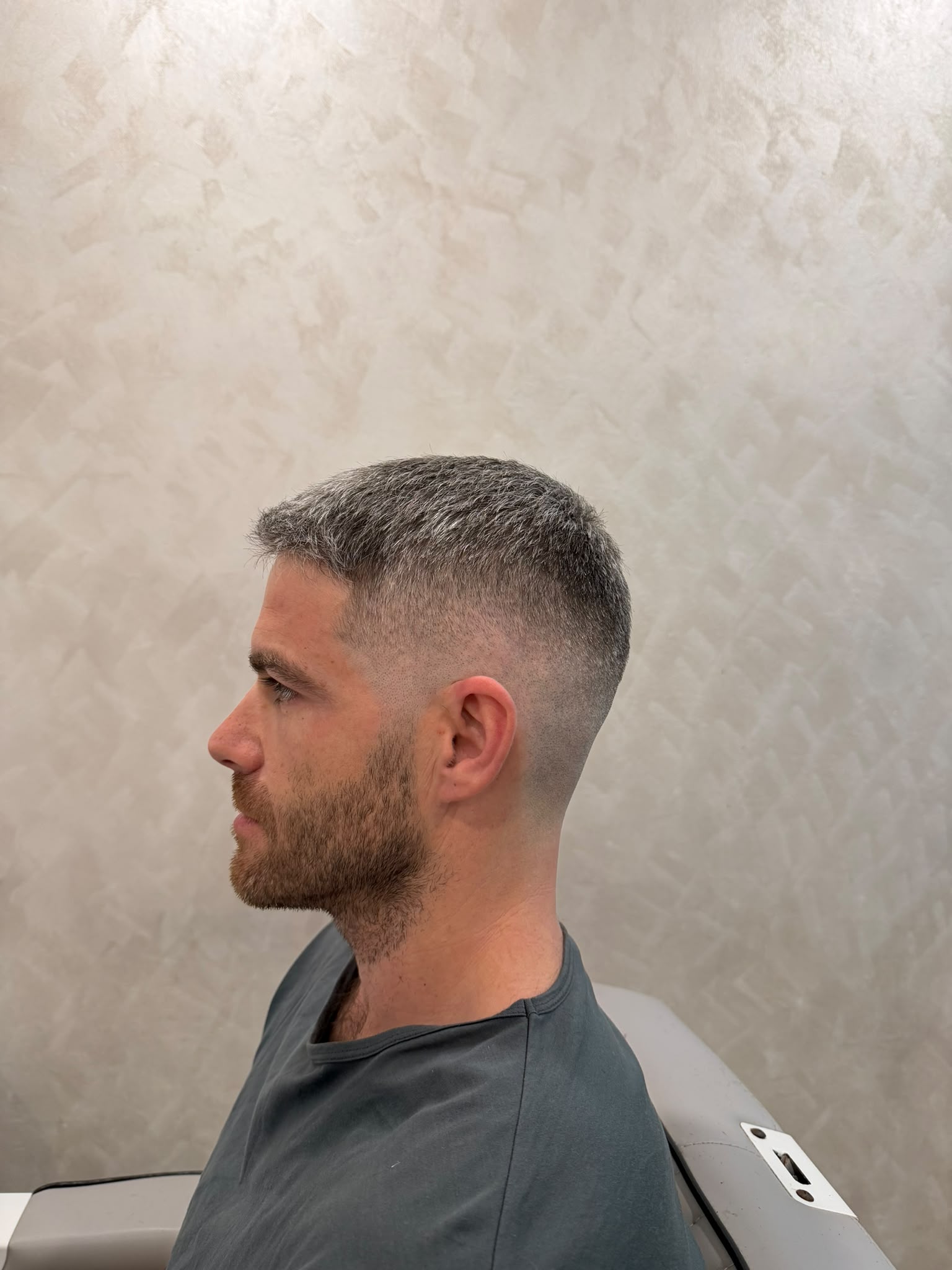
| Sides | Visible scalp, retained width and whether hair covers part of the ear. |
| Connection | Whether the top blends into the sides or sits as a distinct section. |
| Back | The outline at the crown and neckline, if visible. |
| Finish | Shine, separation, height and the apparent amount of styling. |
These observations make references useful even when the model does not share your face shape. They also expose incompatible choices. Very short sides in one image and long sides tucked behind the ears in another cannot describe the same section at the same appointment.
Include one image showing what you dislike
A negative reference can be helpful if the objection is specific. Instead of “I hate this haircut,” identify the feature: too much scalp showing, a fringe cut too high, excessive width at the crown or an edge that looks too sharp. The barber can preserve your preferences without having to infer them from a style label.
Avoid judging photographs solely by how flattering the person looks. Camera angle, facial expression and lighting change the impression. A side profile taken from below can make the top appear much higher. Prefer clear images where the haircut is visible over dramatic shots that hide the shape you need to discuss.
Finish with a short written brief
Write three lines: the feature you most want, the feature you do not want and the routine you will use. For example: “Keep enough front length to sweep sideways. Avoid exposed scalp above the ears. I can use a dryer briefly, but I do not want a heavily set finish.” That is easier to act on than a collage alone.
Save a current photo alongside the references and contact His & Her Hairloft when ready to arrange your visit. The comparison between your starting point and your preferred shape makes the consultation more concrete.