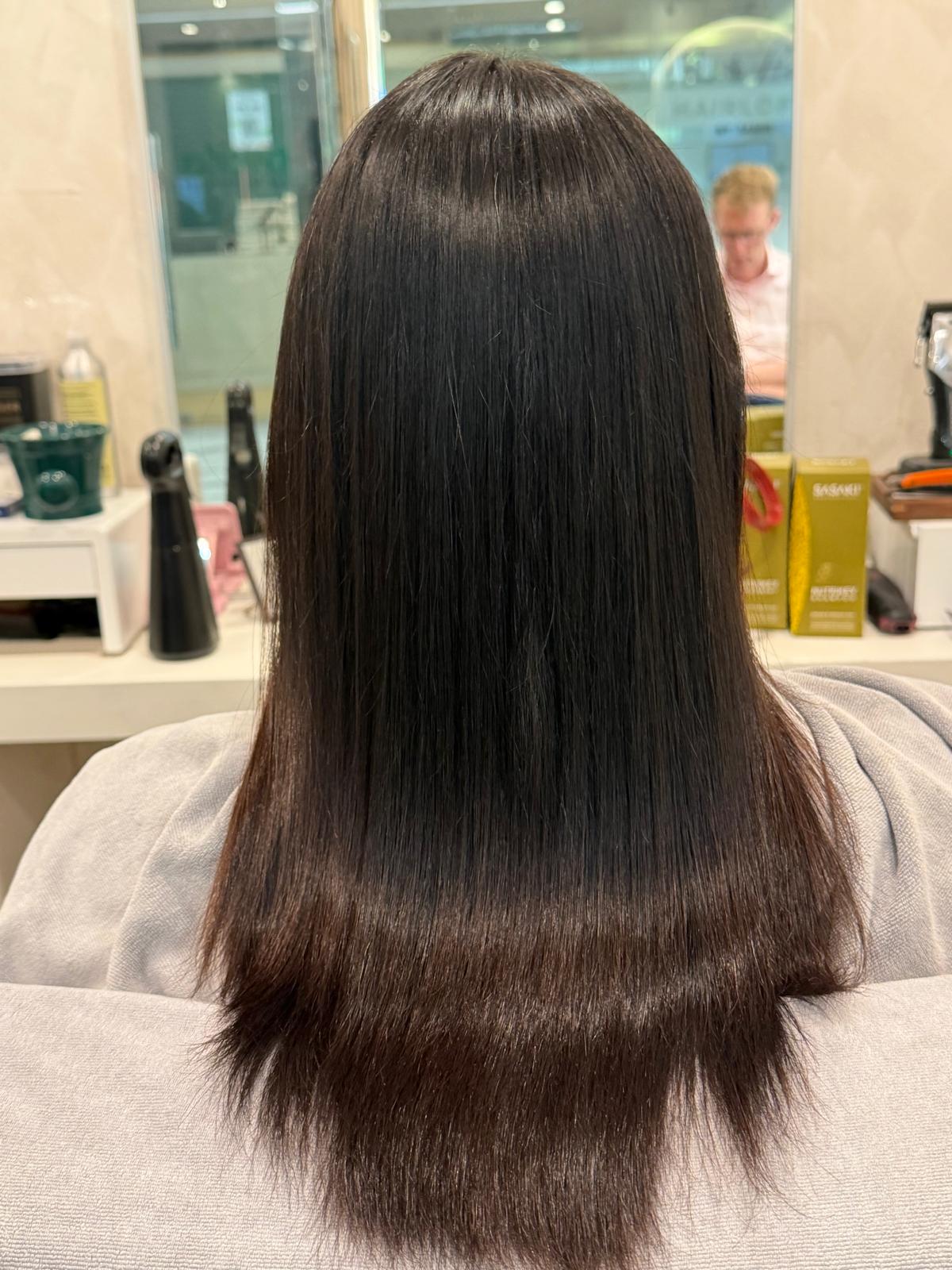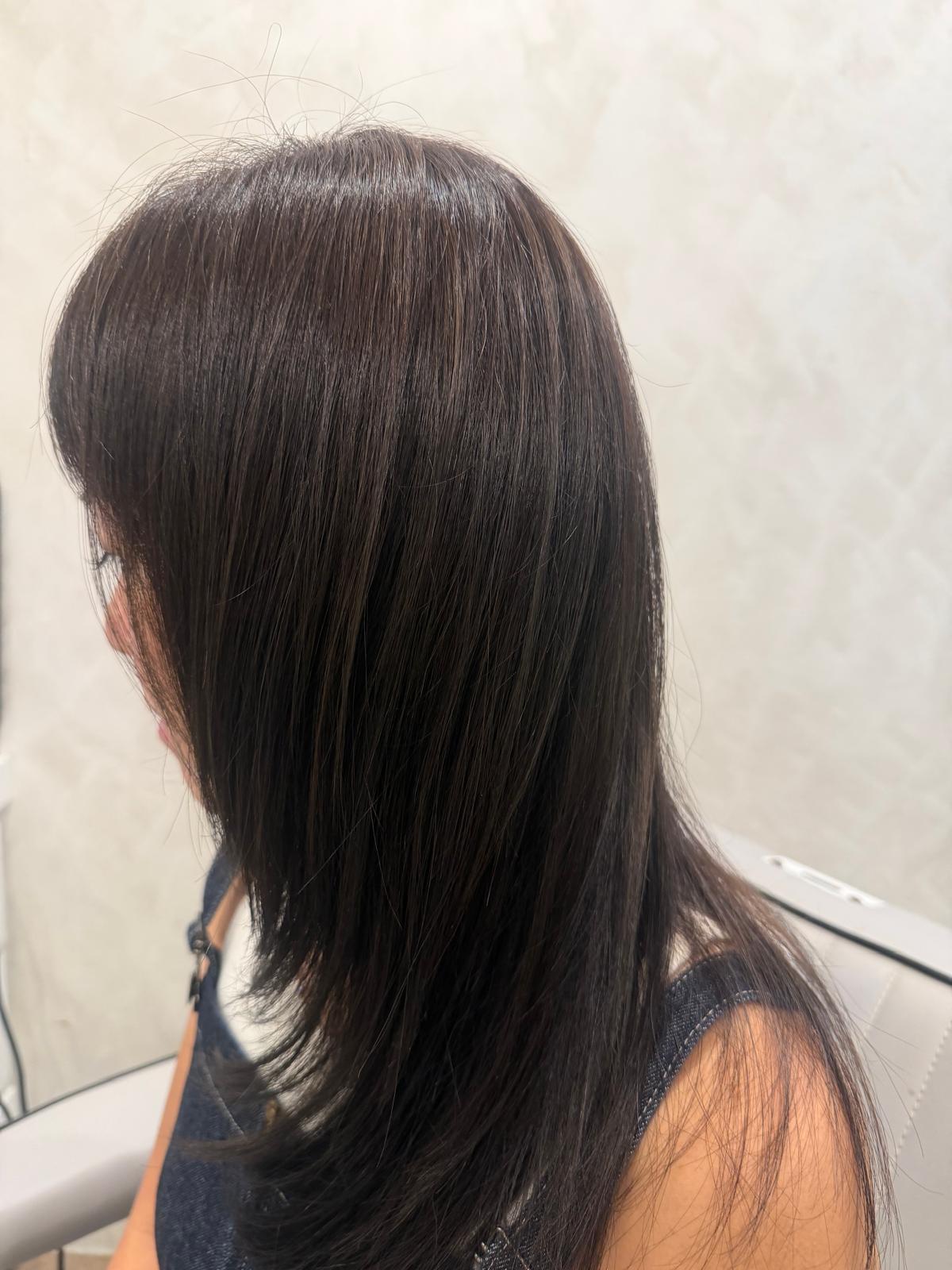
Going from Dark to Lighter Hair: Plan the Stages Before You Start
A photograph shows a finished hairstyle, but it rarely shows the decisions made along the way. If you want to move from dark hair to a much lighter look, the useful conversation starts with your current hair and an acceptable next step. A destination colour can guide the plan without becoming a promise of one appointment or a fixed number of visits.
Describe your starting point accurately
Tell the stylist whether the darkness is your natural colour, an applied shade or a mix of the two. Include older colour on the lengths, even if you have only touched up the roots recently. Mention highlights that were later coloured over, along with previous perming, straightening or smoothing services.
Wella’s colour questions guidance distinguishes lightening previously coloured hair from a straightforward colour change. That is a reason to seek an assessment, rather than assume that putting a lighter dye over dark lengths will produce the reference image.
Choose a first-step goal as well as a final inspiration
Bring the colour you ultimately like, then discuss what an earlier stage might look like. Could you enjoy a softer brown, limited brightness around the face or a warmer intermediate tone if that is what the assessment supports? Would you prefer to remain darker if the alternative does not fit your comfort level?
These questions do not mean you must accept any result presented to you. They help define a range you can agree to before work begins. If the proposed first step is not something you want to wear, reconsider the plan while there is still time to choose differently.
Rank the priorities that may compete
- Keeping the current length.
- Making the overall colour lighter.
- Reaching a specific cool or neutral tone.
- Keeping the appointment schedule manageable.
- Limiting future maintenance.
You may not be able to maximise every priority at once. Saying which matters most makes the consultation more productive. For example, someone committed to keeping very long hair might choose a more restrained colour change than someone already planning a substantial haircut.
Use stages as review points, not promises
A staged plan should leave room to reassess the hair and your preferences. Ask what will be checked before another lightening step and what might change the recommendation. The appropriate interval and number of appointments cannot be reliably set by a generic article or inferred from someone else’s transformation photographs.
Also clarify whether an intermediate appointment would maintain tone, add brightness, address unevenness or simply review progress. Those are different purposes. A sequence of bookings is only useful when you understand what each proposed stage is meant to accomplish.
Make the in-between look part of your everyday plan
Consider work, travel, photographs and events during the transition. If you would be uncomfortable with a particular level of warmth or visible contrast, say so before proceeding. Do not save that concern for after the first appointment because you assumed every intermediate result would resemble the final reference.
Ask what care routine and maintenance the proposed next step would involve. You may decide that a smaller change is more enjoyable than a long route towards a highly specific shade. You can also change your mind at a review point; an inspiration picture does not obligate you to keep pursuing it.
Bring a clear brief to Hairloft
Hairloft’s colour service page describes consultation around the starting base, previous colour and realistic expectations. A useful enquiry includes current roots-and-lengths photographs, the desired direction, relevant history and the priority you most want to preserve.
Contact the salon to discuss the appropriate assessment and booking arrangements. Aim to leave that discussion knowing the next agreed step, its limitations and what would prompt a review of the plan. Keep any later stages provisional until the hair has been assessed again.