Table of Contents
What soft rebonding is designed to do
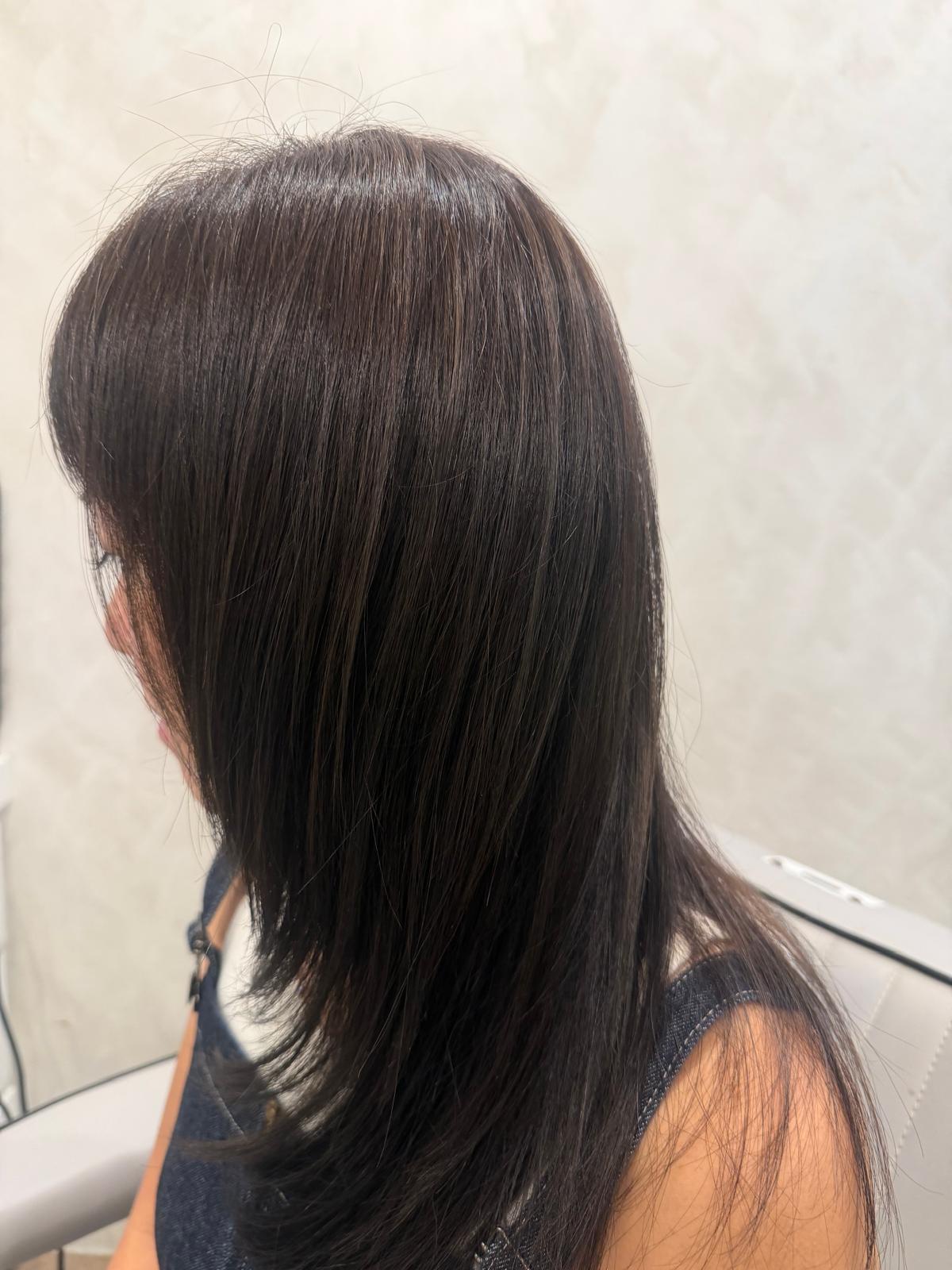
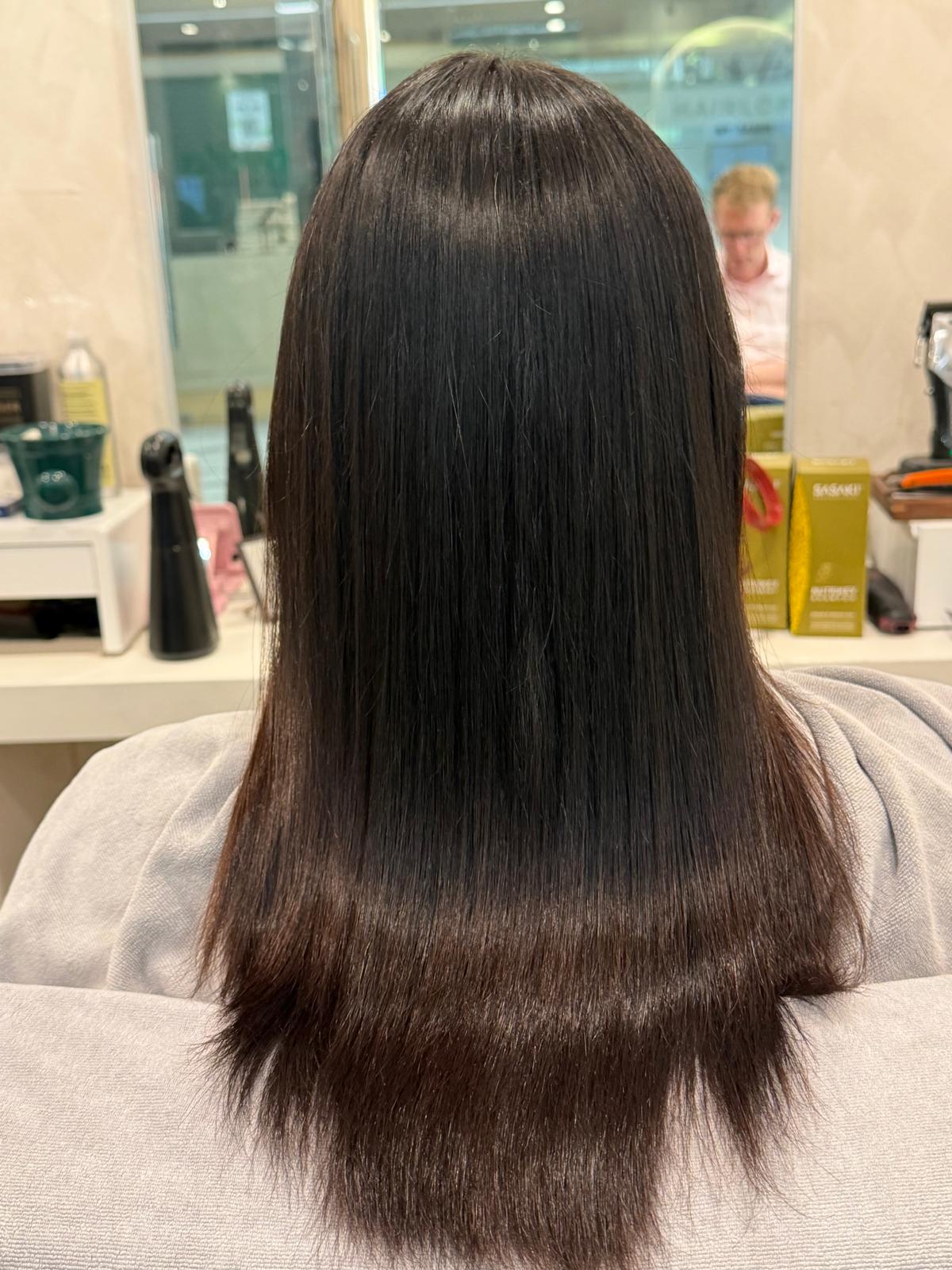
Soft rebonding is a chemical straightening service that relaxes the natural structure of the hair so it dries smoother, flatter, and easier to manage. Compared with older ultra-straight rebonding looks, the modern soft version aims for movement and polish rather than an overly stiff finish.
It is often chosen by clients whose hair feels consistently puffy, swollen, or difficult to control in Singapore humidity. If your main frustration is volume, irregular bends, or time-consuming blow-drying, soft rebonding can dramatically reduce daily styling effort.
How a keratin treatment differs
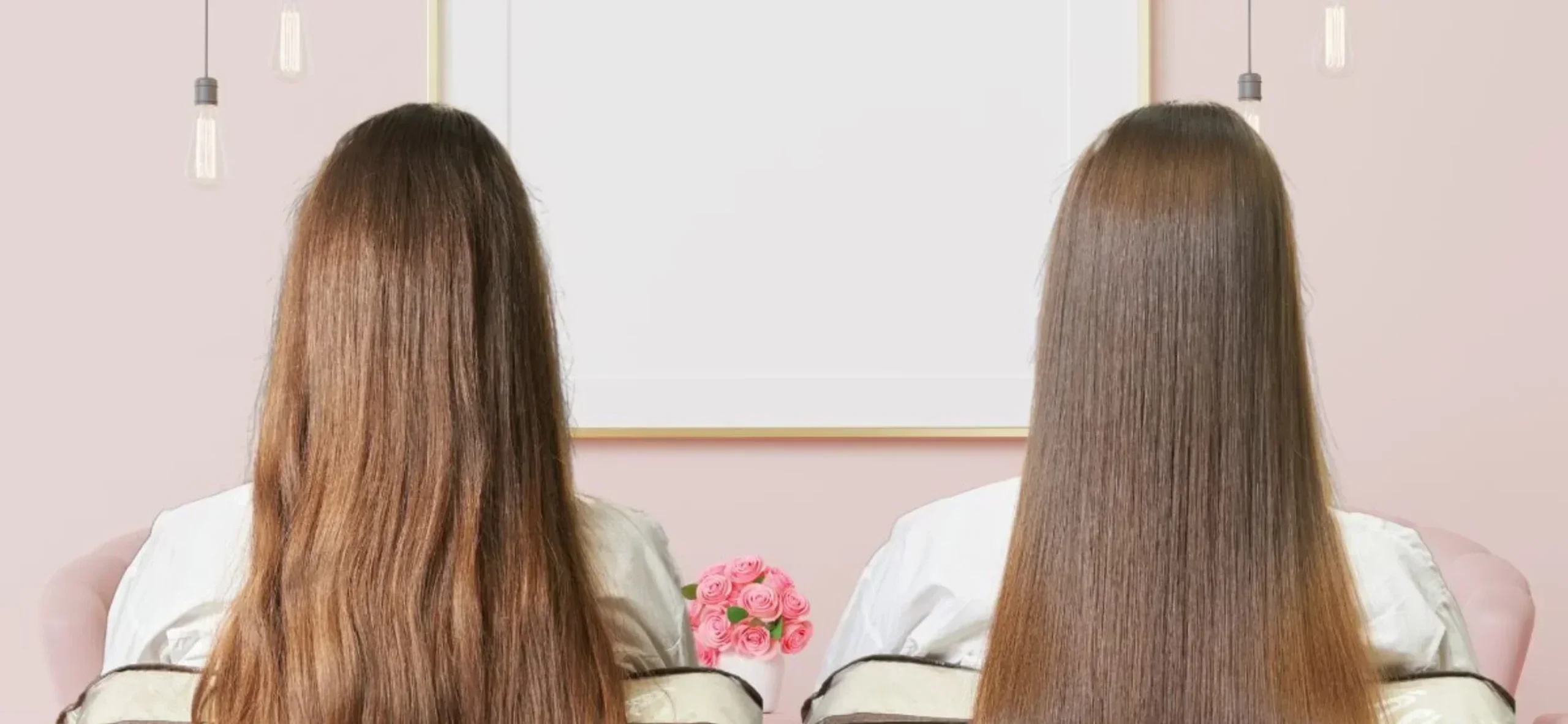
Keratin treatments focus more on smoothing and coating the hair than permanently restructuring it. The result is usually a softer, more natural finish with reduced frizz, easier blow-drying, and more shine, but not the same level of straightening power as rebonding.
For clients who still want body, bends, or the option to style waves, keratin is often the gentler fit. It is especially popular for colour-treated hair that needs discipline and shine without feeling pinned flat.
Which hair type suits each option
If your hair is very coarse, strongly wavy, or difficult to tame even after blow-drying, soft rebonding usually delivers the stronger transformation. If your hair is mostly manageable but reacts badly to humidity and frizz, keratin may be enough to give you the smoother feel you want without taking away natural movement.
A consultation is essential because previous bleach, highlights, or repeated colour services can change what is safe. Experienced salons such as His and Her Hairloft assess elasticity, porosity, and chemical history before recommending either path.
Where Orchard clients usually get stuck
Many clients searching around town compare treatment menus without first identifying whether they need stronger straightening or simply better frizz control. If your household also books grooming, searching for a nearby barber Orchard team and salon together can make maintenance visits more convenient, especially for couples booking on the same day.
The best choice is usually the one that solves your actual problem with the least long-term stress. Choosing a weaker service when you need stronger control can feel like wasted money, while choosing a stronger one than necessary can make the hair feel flatter than you wanted.
Frequently Asked Questions
Is keratin safer than rebonding?
Not automatically. Safety depends on product quality, hair condition, technique, and whether the service is suitable for your current hair history.
Which treatment lasts longer?
Soft rebonding typically lasts longer on the treated section, while keratin usually fades more gradually over time.
Can I colour my hair after these treatments?
Usually yes, but the order and timing should be planned carefully with your stylist to avoid unnecessary stress on the hair.
Will my hair become pin straight?
Soft rebonding can create a much straighter finish, while keratin usually leaves more natural movement and softness.
Which is better for frizz only?
If frizz is the main issue and your hair texture is otherwise manageable, keratin is often the better first option.